Vincent Chok says broader investment access is key to keeping activity onshore

South Korea needs more than a won-denominated stablecoin to keep digital asset activity onshore, as more investors seek a wider range of products unavailable at home, according to Vincent Chok, CEO and co-founder of stablecoin issuer First Digital.
"The starting point is the demand for the products themselves," Chok said in a recent written interview with The Korea Herald.
First Digital is a digital asset financial services firm and the issuer of FDUSD, a dollar-backed stablecoin that sits among larger stablecoins traded on global crypto markets.
A net 14.92 trillion won ($10.5 billion) in stablecoins moved from Korea's five major crypto exchanges to overseas platforms from January 2025 through June this year, according to Financial Supervisory Service data recently submitted to Rep. Lee Jong-wook. Outflows exceeded inflows for 18 straight months, averaging 829.1 billion won a month.
Chok, who spoke at a National Assembly seminar on stablecoin policy in Seoul in May, believes the persistent flows reflect demand for offshore investment access rather than demand for stablecoins themselves.
He noted Korean crypto exchanges remain focused largely on spot trading, while offshore platforms offer perpetual futures, options, decentralized finance and tokenized real-world assets.
"Stablecoins are simply the most practical way to move dollar liquidity to where those markets are," Chok said.
Data indicates that Korean investors are increasingly using offshore decentralized platforms.
Tiger Research and blockchain analytics firm Chainalysis tracked about 120,000 Korea-linked wallets and found that roughly $1.64 billion flowed into three decentralized exchanges from January 2024 through July 2026.
About 1,200 Korea-linked wallets also generated $4.97 billion in notional trading volume on decentralized derivatives platform Hyperliquid in July alone. Trading this year extended beyond cryptocurrencies to instruments linked to Samsung Electronics, SK hynix and crude oil.
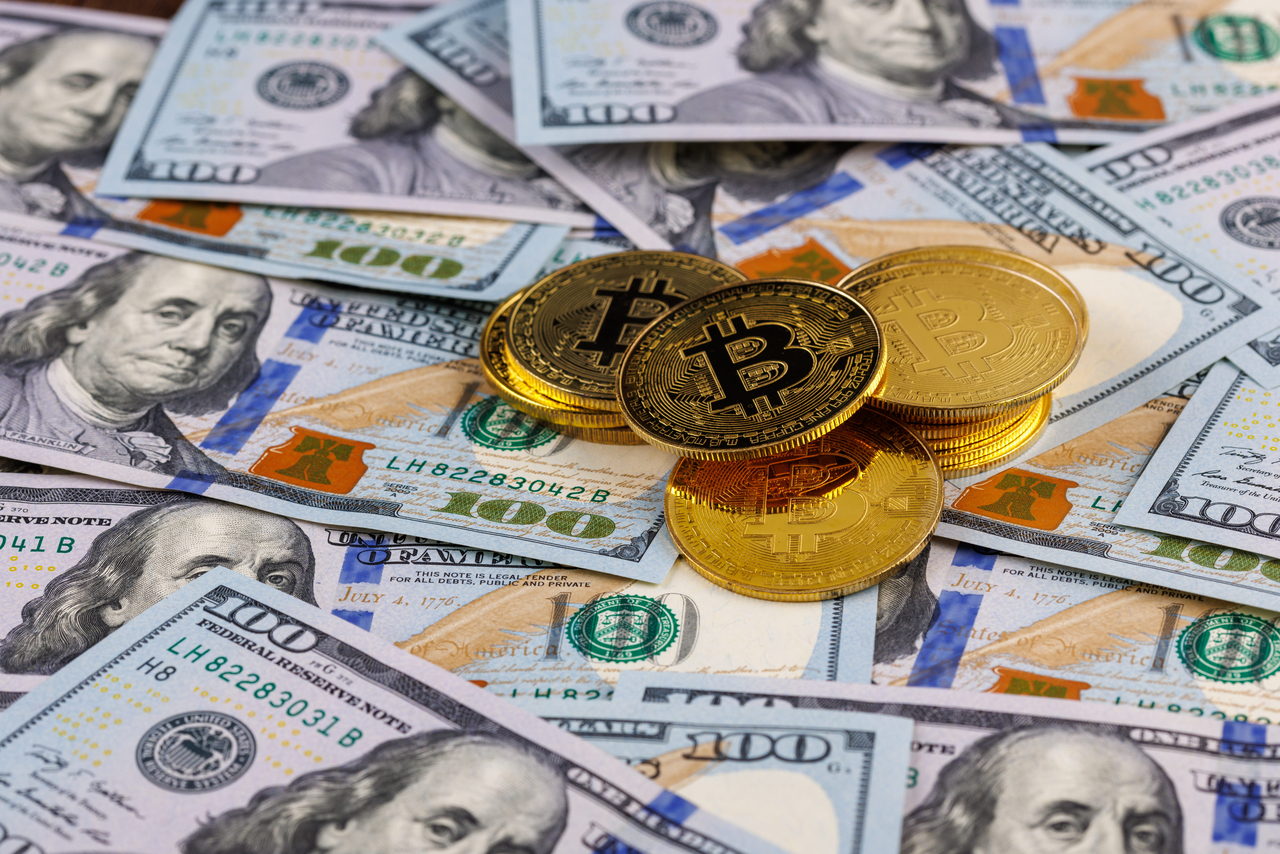
The stablecoin flows are already comparable to Korean retail investors’ conventional overseas investments.
Net stablecoin outflows reached 560.3 billion won in June, equivalent to nearly 78 percent of the 722 billion won that Korean retail investors invested in overseas stocks on a net basis that month.
In the second quarter, stablecoin outflows reached 1.69 trillion won, while Korean investors sold a net 1.62 trillion won of overseas equities.
Korea is moving to narrow its regulatory gap. The government is preparing broader digital asset legislation covering industry rules, market conduct and investor protection, including a framework for won-based stablecoins. Lawmakers seek to resume discussions as early as September.
Separate legislation allowing tokenized securities has already passed, with implementation scheduled for early 2027.
Chok said the central question is whether Korea can offer enough products, market access and liquidity to capture demand now being served abroad.
“A won stablecoin alone cannot recreate global liquidity,” he said, noting that global trading pairs, DeFi markets and many tokenized assets remain denominated in dollars.
Rather than treating won- and dollar-backed stablecoins as direct substitutes, Chok said Korea needs a regulated ecosystem that lets investors move efficiently between domestic and global markets.
“The objective should be to give users access to a broad range of financial products within a regulated Korean framework, rather than simply creating a domestic stablecoin and leaving the underlying demand to be served offshore,” he said.
jwc@heraldcorp.com