Chen Yanshun expected to meet CEO Roh Tae-moon next week, with LCD supply and pricing likely on agenda
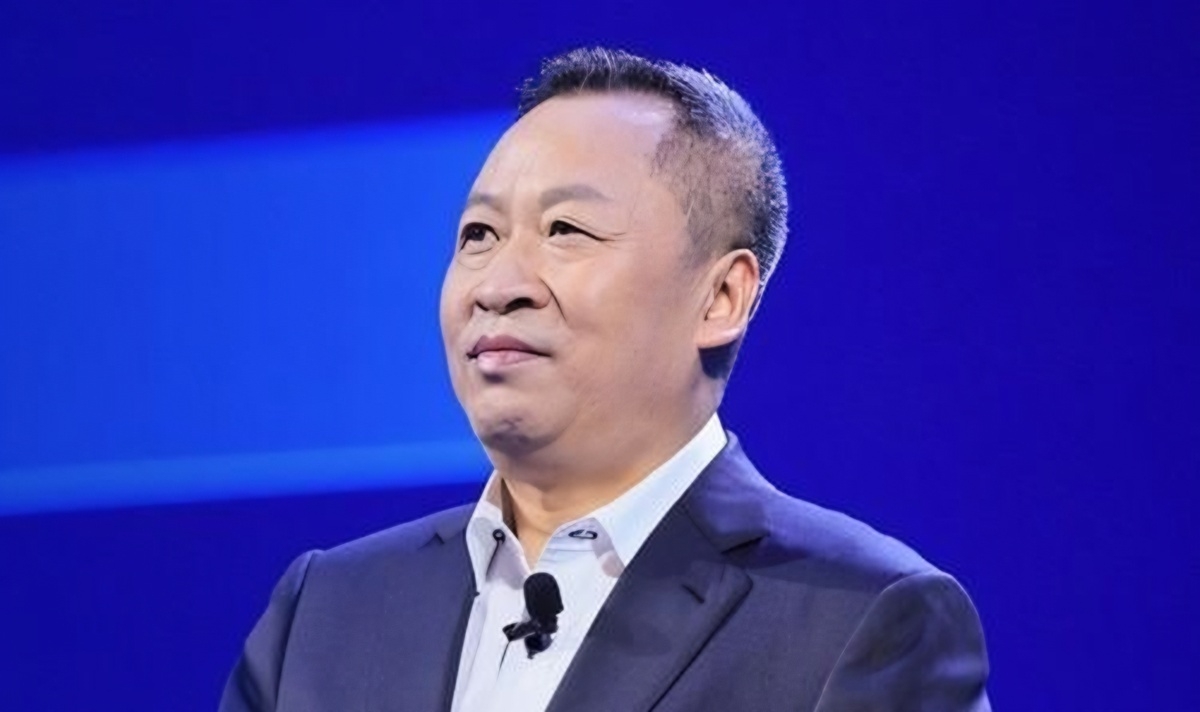
Samsung Electronics is turning more to China’s BOE for TV panels, with purchases forecast to double this year as the Korean company reshuffles its LCD suppliers.
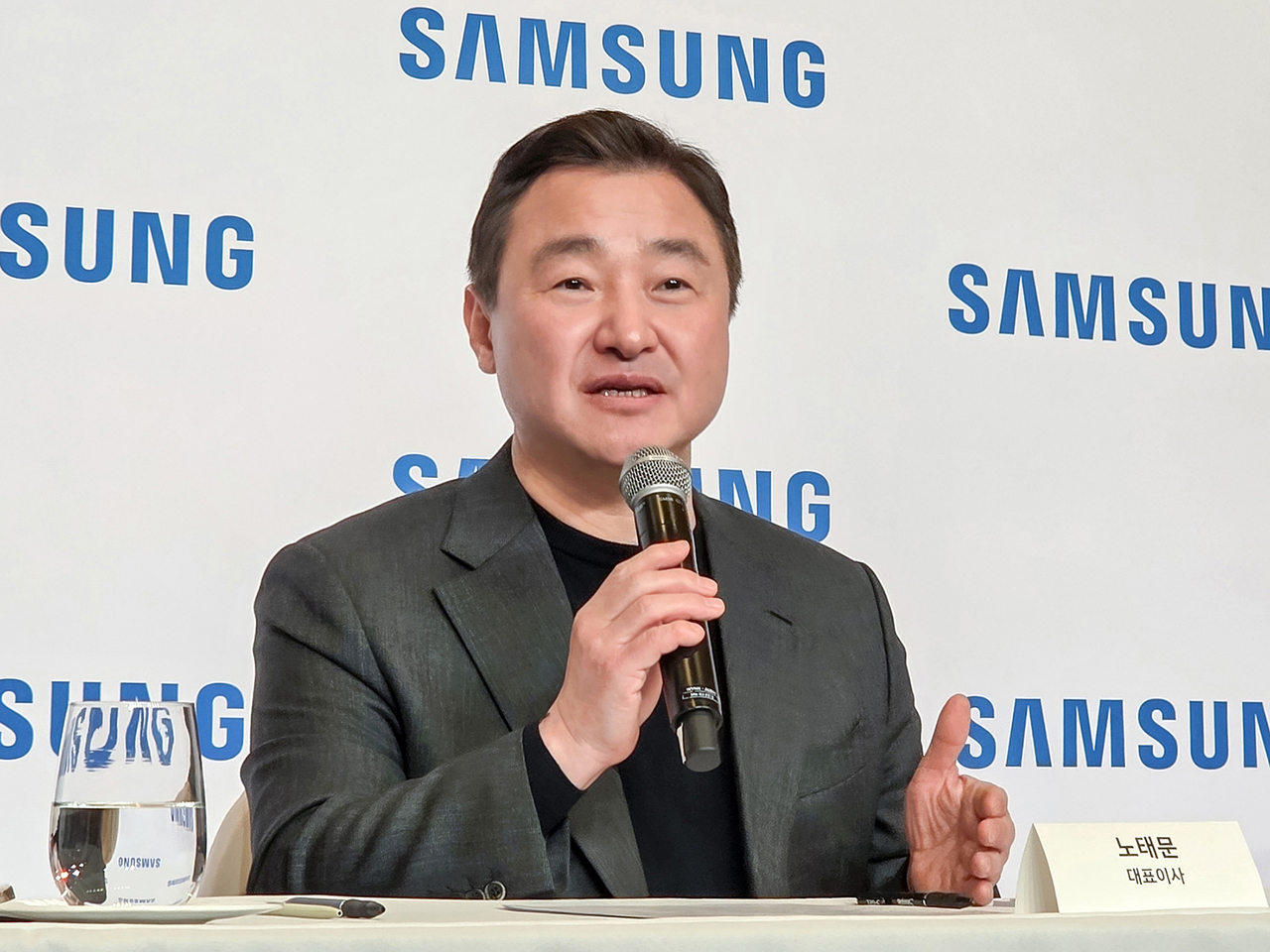
The shift comes as BOE Chairman Chen Yanshun reportedly plans to visit Korea next week to meet Samsung Electronics CEO Roh Tae-moon. Neither company has announced the meeting, but local media reports citing industry sources said TV LCD supply and pricing are expected to be on the agenda.
Samsung is projected to buy 4.4 million TV LCD panels from BOE this year, up from 2.2 million in 2025, according to Omdia. Purchases from TCL CSOT are expected to fall from 9.2 million to 7.3 million, even as Samsung’s total procurement rises 5 percent to 35.8 million.
The changing mix underscores Samsung’s reliance on outside panel makers after Samsung Display, a separate group affiliate, ended LCD production in 2022 to focus on OLED and other higher-value technologies. LG Display subsequently exited TV LCD production as well, increasing the importance of Chinese suppliers to Samsung’s TV business.
Even after that increase, BOE would account for about 12.3 percent of Samsung's TV LCD purchases, compared with roughly 20.4 percent for CSOT. Samsung also buys panels from Sharp, HKC, Innolux and AUO.
CSOT is controlled by TCL, which competes directly with Samsung in the global TV market. Samsung has not said that rivalry with TCL is driving its sourcing decisions.
The LCD market is entering a more difficult phase, with Chinese suppliers trying to keep prices from falling further by reducing production even as TV demand weakens. Omdia expects BOE, China Star and HKC to cut their average factory utilization by about 4 percentage points in October, particularly at TV LCD lines during China's National Day holiday period.
"Chinese panel makers are expected to lead the decline in October," said Alex Kang, a principal analyst at Omdia.
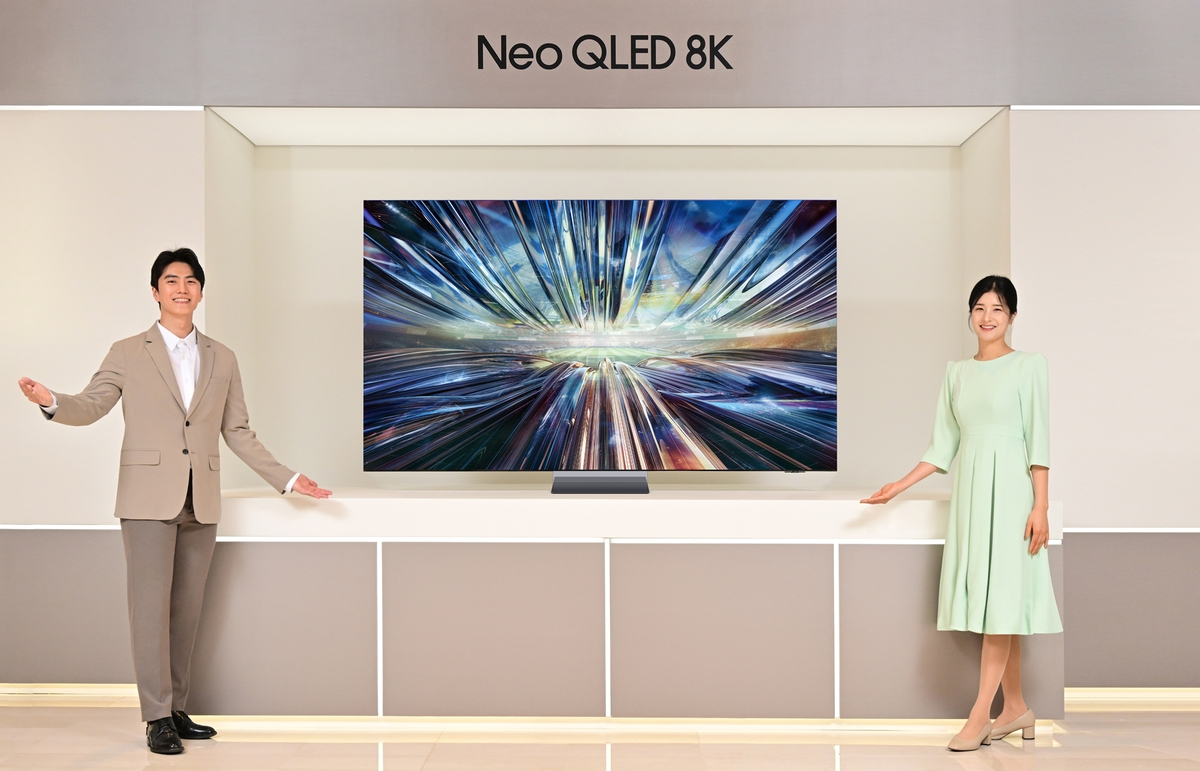
Omdia also expects LCD TV panel shipments in the second half of 2026 to fall 7 percent from a year earlier. That leaves suppliers with considerable influence over capacity, but also gives large buyers such as Samsung bargaining power in a softer demand environment.
The expected meeting would continue a recent series of senior-level contacts between the two companies. Chen visited Samsung's Suwon headquarters in December 2025, while Roh visited BOE in China in June.
Those exchanges came after Samsung Display and BOE settled a separate trade-secret dispute that had strained relations between the two groups. The case centered on allegations that BOE misappropriated Samsung Display's OLED-related trade secrets. The two sides agreed to end the dispute in late 2025, and the US International Trade Commission formally closed the case in January. Its resolution removed a major source of friction at a time when Samsung Electronics was increasing its commercial dealings with BOE.
LCD sourcing remains important to Samsung even as it expands OLED and other premium TV technologies. Mini LED TVs still rely on LCD panels, and Omdia said the category accounted for 13 percent of global TV shipments in the second quarter, with Samsung taking a 28.2 percent share.
mjh@heraldcorp.com