After conservative groups protested outside Yoo Hae-jin's home, the culture minister requested police protection and a coalition of 19 film industry groups urged the public not to let the debate turn against individuals
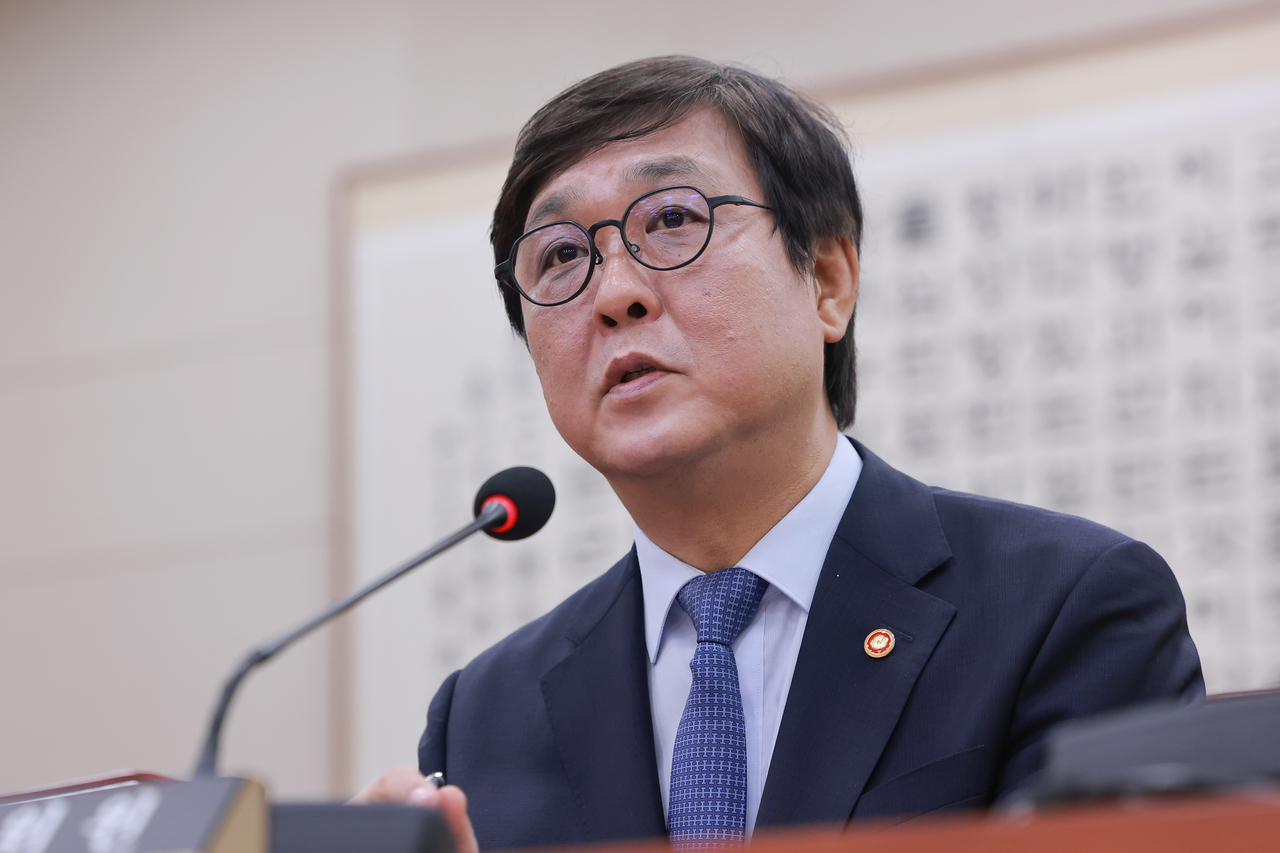
Culture Minister Chae Hwi-young on Monday condemned a protest held outside the home of actor Yoo Hae-jin over the historical thriller "The Assassin(s)."
He said he had asked police to protect the film's cast and crew and to strictly enforce the law against intimidation.
"People are free to judge a film, but threatening the safety of its creators destroys democracy," Chae wrote on social media Monday.
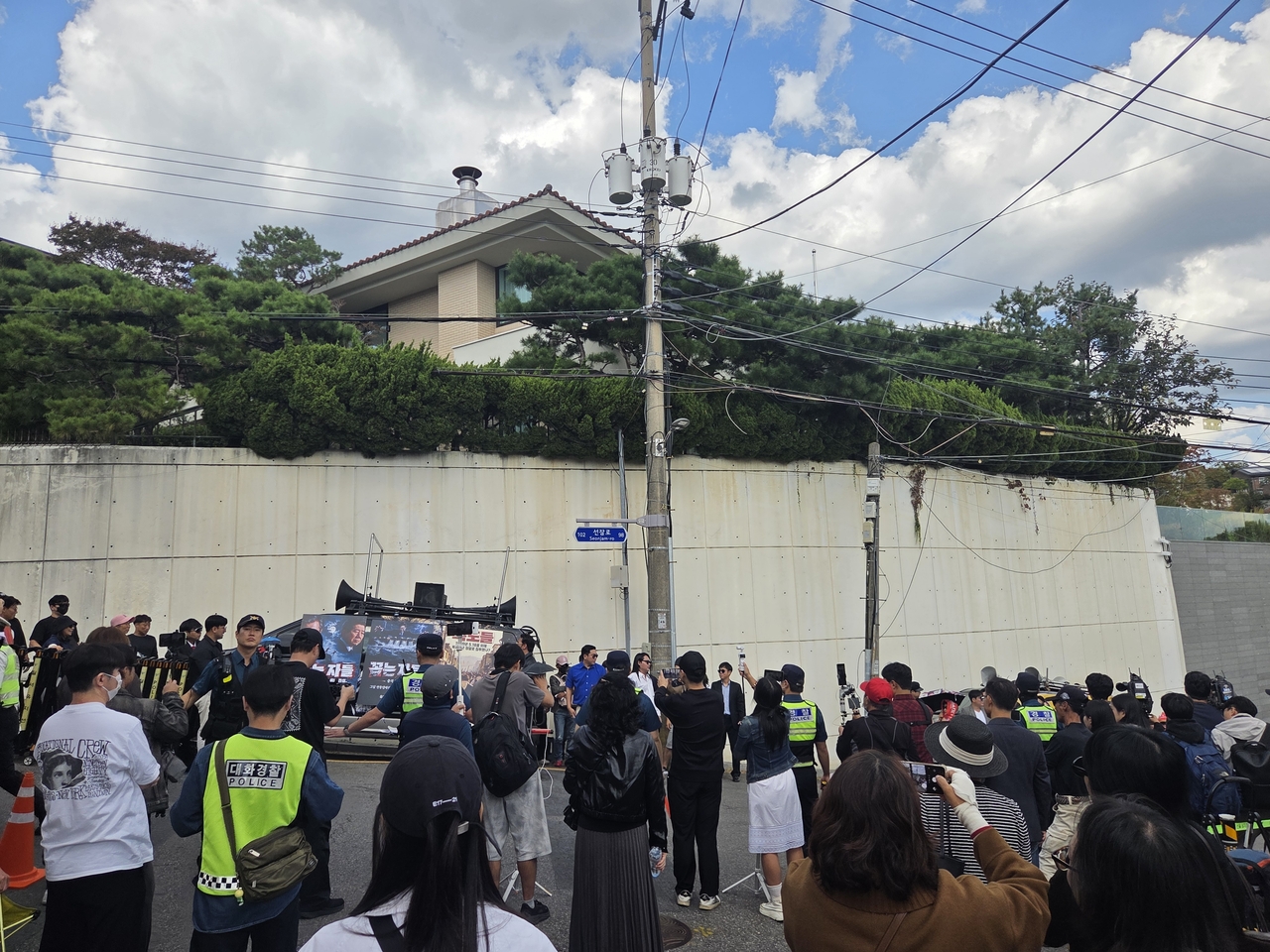
His comments came a day after about 50 members of conservative civic groups gathered near a house in Seongbul-gu, Seoul, believed to belong to Yoo, who plays the lead role in the film.
The protesters demanded that the film stop screening and that its producers and cast apologize. The crowd size is an unofficial police estimate cited by local media.
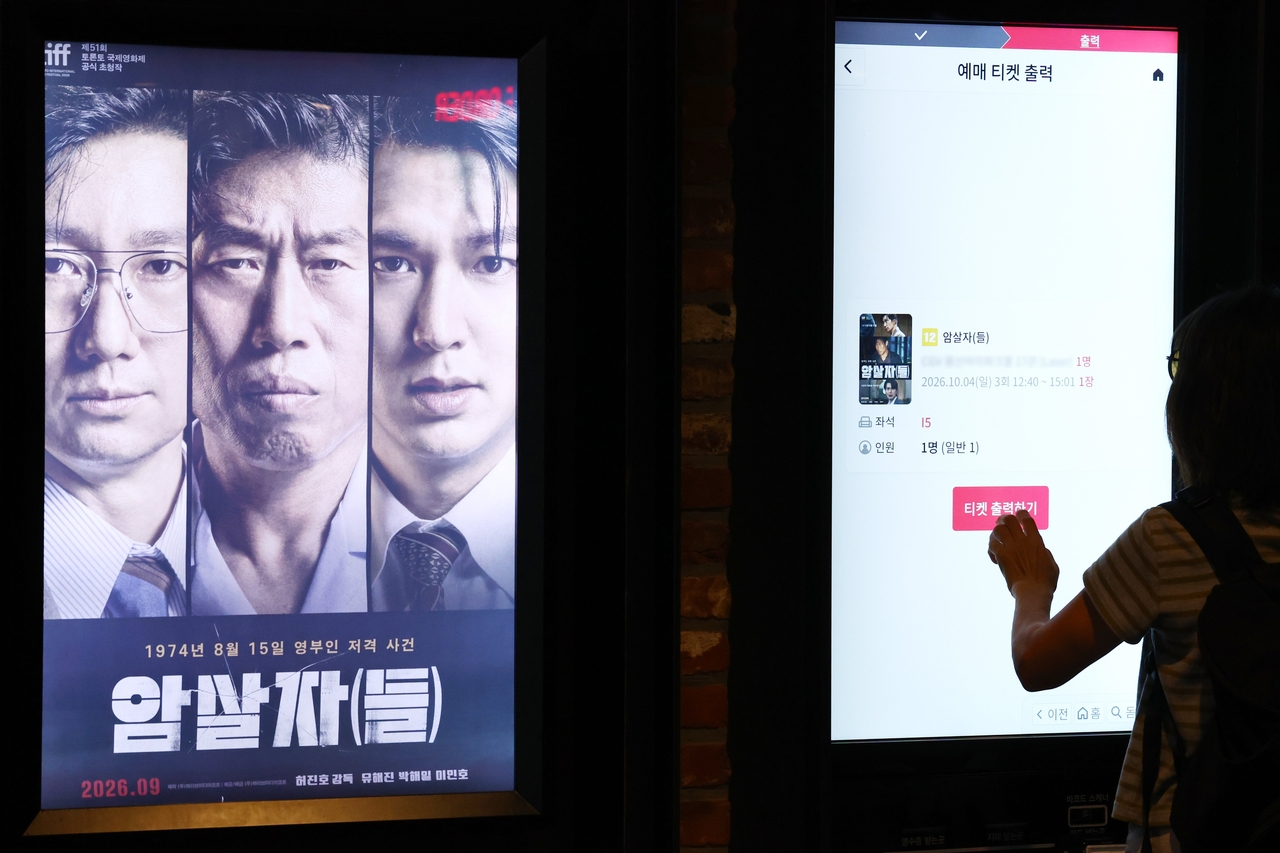
The film directed by Hur Jin-ho opened Sept. 23. It dramatizes the 1974 assassination attempt on then-President Park Chung-hee that killed first lady Yuk Young-soo instead.
Conservative politicians and groups have accused it of distorting history and insulting Yuk's surviving family, which include former President Park Geun-hye. The production team has said the film is fiction and does not try to establish a new historical conclusion.
Chae said debate over how the film interprets history is natural and healthy in a democratic society.
But he said it was "deeply concerning and can never be tolerated" when that criticism goes so far that people gather outside an actor's home, intrude on his daily life and threaten his safety.
The minister also emphasized the arm's-length principle, the policy that the government funds the arts without interfering in their content. He said demands for the state to step in or use its administrative power against a work because people dislike it amount to "a dangerous call to return to the era of prior censorship, which the Constitution prohibits."
"If a work involves defamation or other legal problems, the matter can be settled after its release through civil suits or criminal proceedings," Chae said. "No one should go to an actor's home to spread fear or try to harm him simply because he appeared in a work they disagree with."
The film industry also spoke out Monday. A coalition of 19 groups representing fields from production and directing to distribution, festivals and labor issued a joint statement expressing "deep concern" that the controversy had spread to "the daily lives and safety of individuals."
The coalition said debate over a film about a real historical event is legitimate, and that the pain of bereaved families "must also be respected." But it said "criticism of a work and pressure on individuals must be clearly distinguished," and asked the public to "help ensure the debate does not turn against people."
Earlier Monday, Yoo's agency, VAST Entertainment, said it considered "any act that invades the actor's privacy, threatens his safety or damages his reputation" to be very serious.
That includes making up and spreading false information, malicious personal attacks and insults. The agency said it was still collecting evidence and would "take every possible measure to protect the rights and safety of our artist from illegal acts."
Pressure on the film had already disrupted its promotion. Production company Hive Media Corp. canceled its second-week stage greetings in the Seoul area and Busan, which had been set for Friday through Monday.
The Busan International Film Festival also canceled events that director Hur Jin-ho, Yoo, Park Hae-il and Lee Min-ho were to attend, including Lee's Actor's House session on Wednesday. On Oct. 1, the festival cited "unavoidable circumstances."
"The Assassin(s)" passed 2.23 million admissions as of Saturday, its 11th day in theaters, according to the Korean Film Council.
gypark@heraldcorp.com