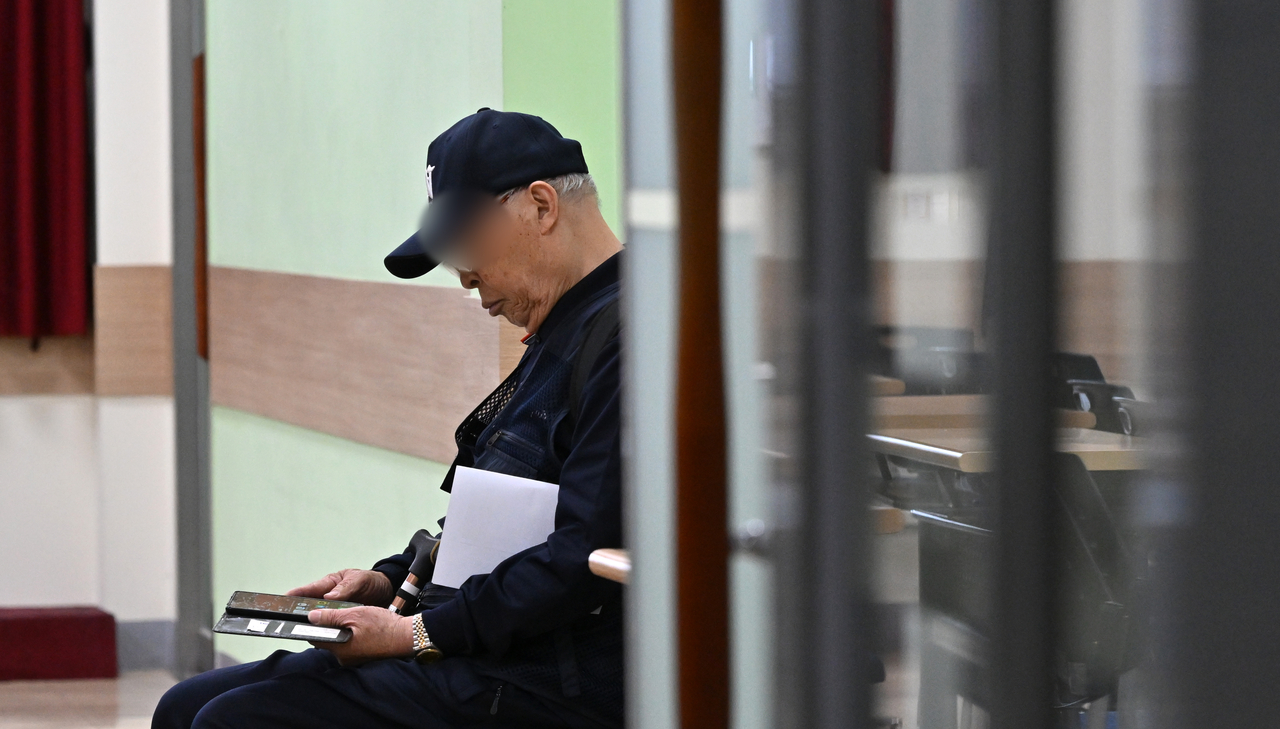
Active use of social media may have a bigger impact on the loneliness of those aged at least 60, a South Korean study has found.
A statistically significant correlation was found between social media use and the tendency to feel lonely in this age group, according to research led by Min Kyoung-bok, a professor of preventive medicine at Seoul National University College of Medicine. Min’s team analyzed data from 34,142 Seoul residents aged 20 and older, collected through the 2024 Seoul Survey.
The study examined five social media behaviors, including sharing one's daily life, prioritizing online communication over offline interaction, social comparison and feelings of exclusion.
Among people aged 60 and older who said they tended to share their daily lives on social media, the odds of loneliness were 1.83 times those of social media nonusers in the same age group. Among those aged 20-59, the corresponding ratio was 1.04, deemed not statistically significant.
Similar patterns were found for other social behaviors. Those aged 60 and older who prioritized social media communication over offline interaction had 1.89 times the odds of loneliness compared to nonusers, while the figure was 1.08 among those aged 20-59.
Overall social media use, meanwhile, was associated with lower odds of loneliness among those aged 20-59, suggesting that social media may provide social resources for younger adults. The association was weaker and statistically insignificant among those aged 60 and older.
Senior citizens were generally more likely to feel lonely, as 33.5 percent of those aged 60 and above said so compared to 22.8 percent among 20-somethings.
The researchers said the study did not establish why certain social media behaviors were more strongly associated with loneliness among older adults. They pointed, however, to social comparison, fear of missing out and the displacement of offline interactions as possible mechanisms linking problematic social media engagement with loneliness.
“These age-specific patterns indicate that older adults may be more vulnerable to adverse aspects of social network service engagement and may require more targeted guidance on healthy social media use,” the researchers said.
The study was published in the July issue of the Journal of Preventive Medicine and Public Health, a journal published by the Korean Society for Preventive Medicine.
forestjs@heraldcorp.com