Unrelated Asian men targeted in cases of mistaken identity, raising concerns over unchecked online sleuthing
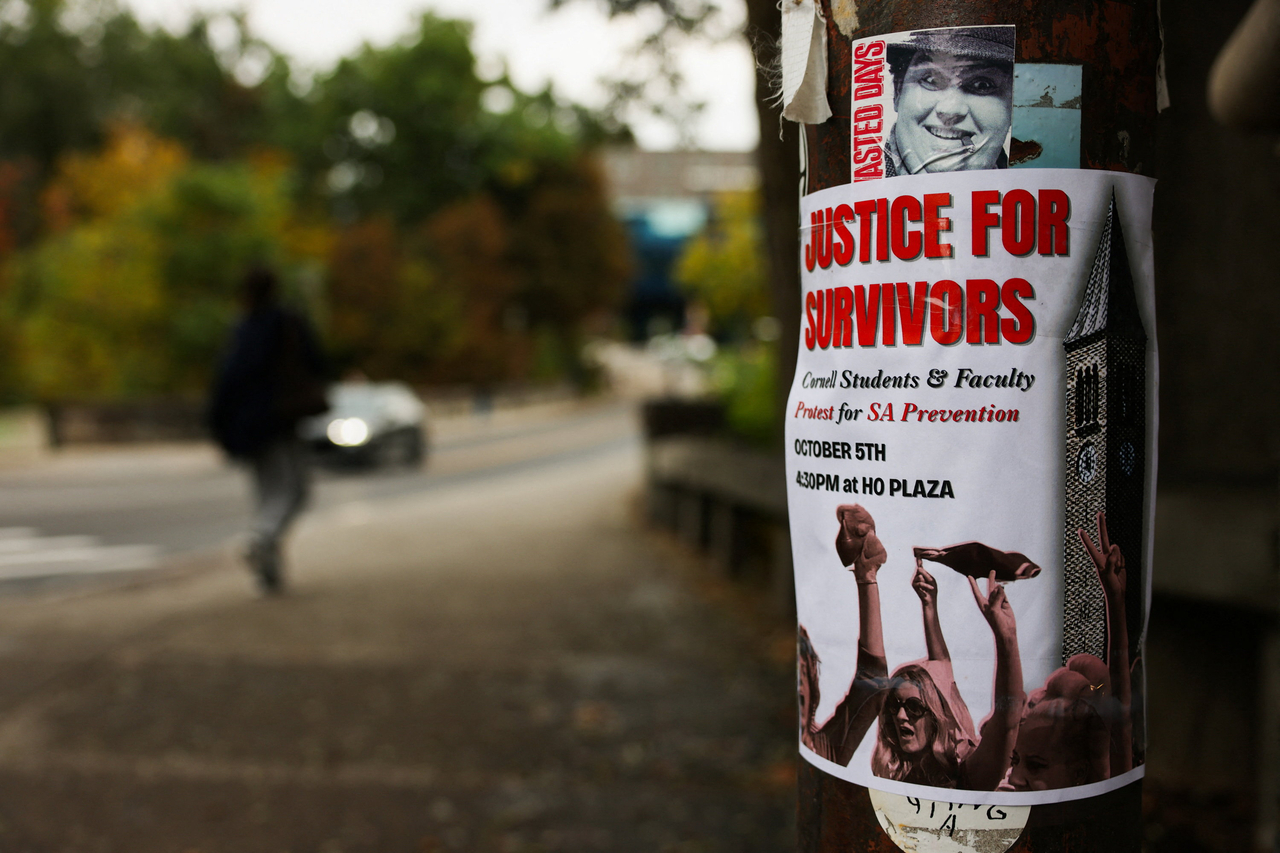
As speculation surrounding a Korean defendant in the Cornell University sexual assault lawsuit spreads across social media, unrelated people who share his name are being wrongly identified and subject to online attacks.
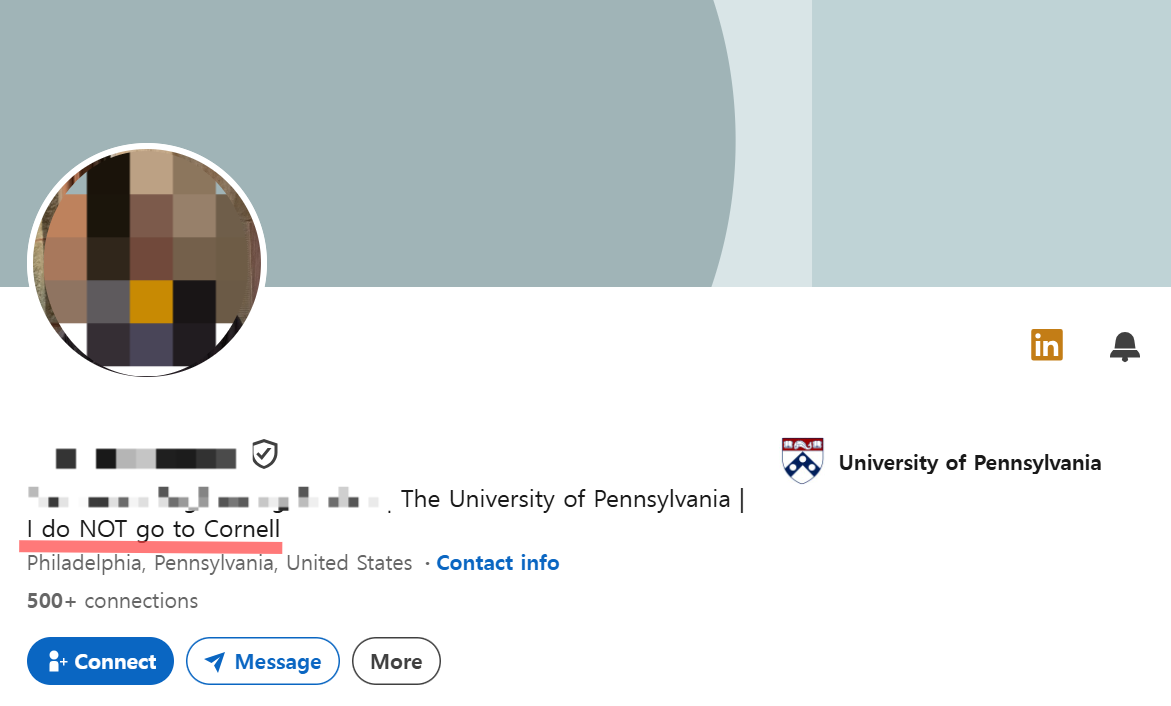
A Chinese American student surnamed Lee at the University of Pennsylvania told The Korea Herald that he has received abusive messages from strangers in recent weeks who mistakenly believed he was the Korean defendant in the Cornell case.
Some told him to "go to hell" or said he belonged in prison, apparently convinced they had identified the right person, he said.
Amid the flood of messages, Lee has added a disclaimer to his LinkedIn profile: "I do NOT go to Cornell."
A Korean man identified as Winston Lee is among the "Cornell 7" of current and former Cornell students who were sued by a former female student on Sept. 14 over allegations she was drugged and sexually assaulted at a fraternity house in October 2024, according to The Cornell Daily Sun, the university's student newspaper.
Prosecutors initially declined to pursue criminal charges. Amid mounting public outrage over the case, however, the investigation was reopened last week, with prosecutors planning to bring the case before a grand jury.
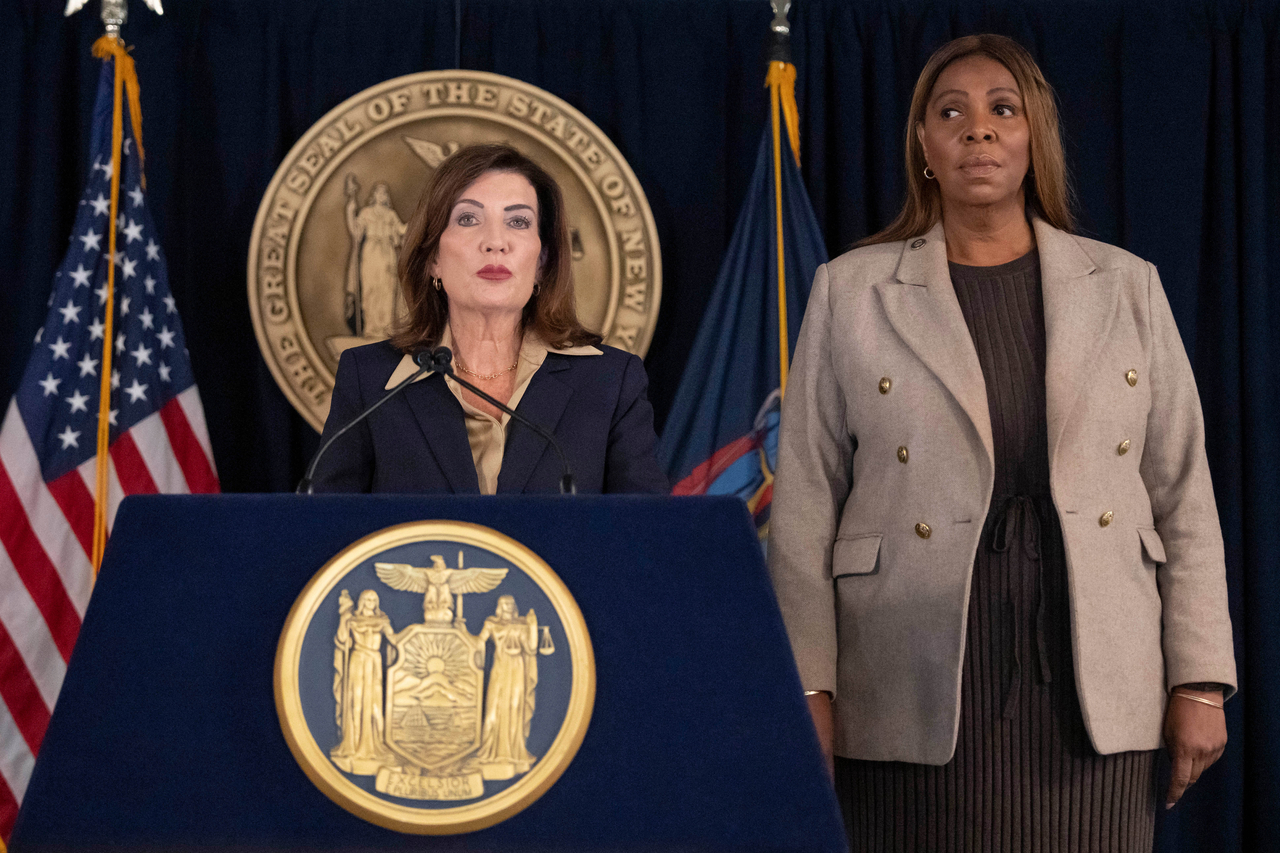
New York Gov. Kathy Hochul appointed state Attorney General Letitia James as a special prosecutor on Thursday to oversee the investigation and pursue criminal charges if warranted.
With few details about Lee publicly available, internet users in South Korea and the US have been digging into his identity and whereabouts, fueling a flurry of unverified claims.
Photos and videos said to be linked to Lee have circulated online, along with speculation about his military service, citizenship and family background. Lee and his legal representatives have not addressed the claims.
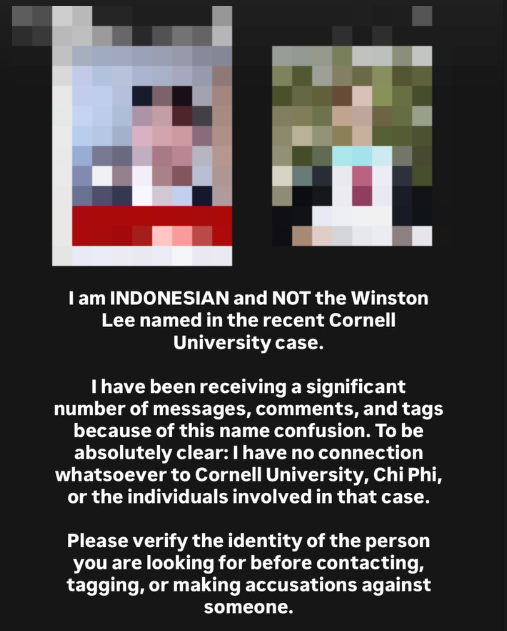
Others have also found themselves caught up in the mistaken accusations. One Indonesian man posted on Instagram that he was not the Korean defendant and urged people to stop sending him messages and falsely accusing him.
Lee from the University of Pennsylvania said he has been in contact with others who have faced similar harassment, exchanging stories about the messages and threats they have received.
"We've shared the same experiences of getting threats constantly," he said.
"Someone even told me they've had to seek therapy. It's been getting that bad."
cjh@heraldcorp.com