Seoul’s subway map can make a journey look straightforward. What it does not show is how long a transfer can take or how crowded a station may be when you arrive.
For passengers navigating the capital region, knowing when to travel, where to change trains and when to use the airport railroad can make a trip easier.
The airport railroad is useful beyond airport trips
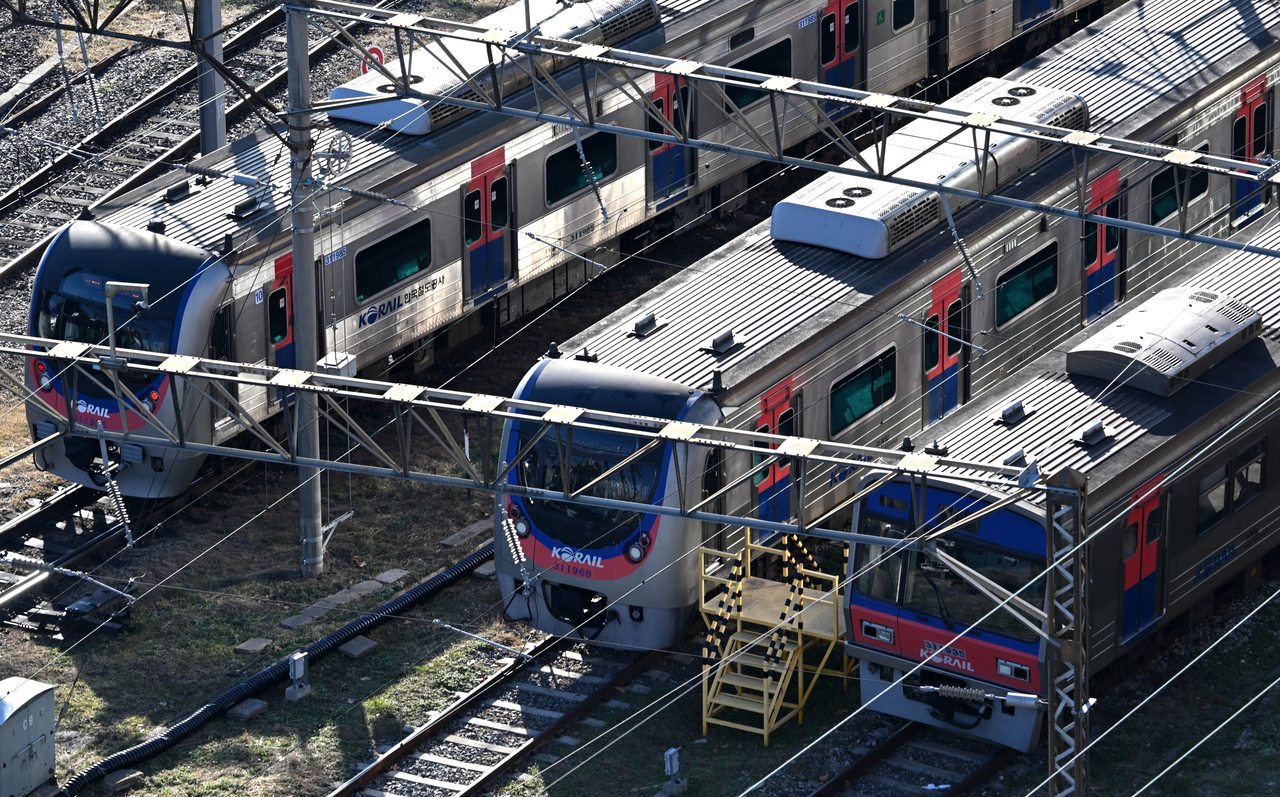
The Airport Railroad, known as AREX, connects Seoul Station with Gimpo and Incheon international airports. Its two services serve different needs. All-stop trains call at every station along the route, while express trains run between Seoul Station and Incheon International Airport without intermediate stops.
For trips to western Seoul and parts of Incheon, the all-stop service can be useful even when you are not catching a flight.
A trip from Seoul Station to Gyeyang Station, where passengers can transfer to Incheon Subway Line 1, takes roughly half an hour on AREX, compared to more than an hour on regular lines.
Whether it is the best option depends on how close your destination is to a station. Compare the full journey, including any onward transfers, rather than just the time spent on the airport railroad.
AREX also carries commuters, so passengers should expect crowded trains during rush hour.
Plan around crowds
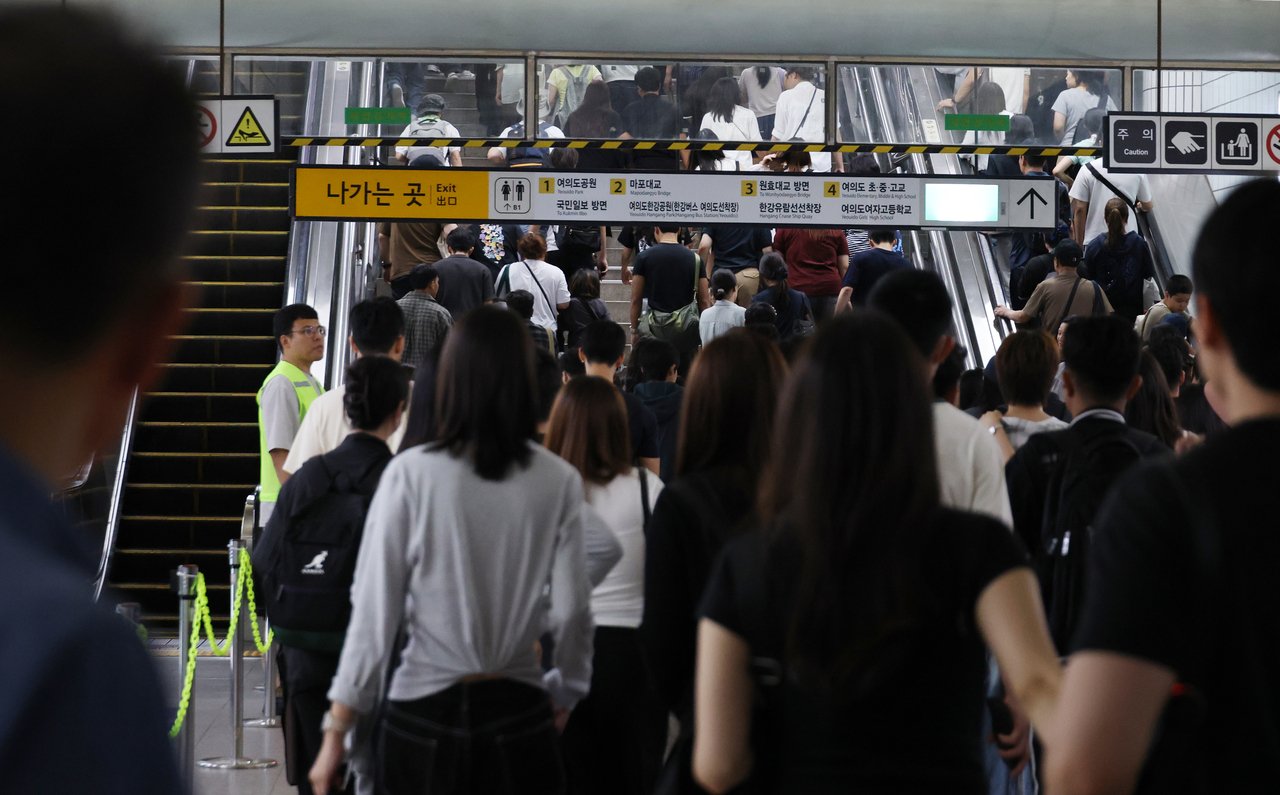
Morning and evening commutes are busy periods on the Seoul metropolitan subway. If your schedule is flexible, traveling outside the 7-9 a.m. and 5-7 p.m. windows can make the journey more comfortable.
Popular destinations can also draw crowds outside commuting hours.
At Jamsil Station, nearby attractions include Lotte World, department stores and Lotte World Tower. Baseball games at the stadium near Sports Complex Station, two stops away on Line 2, can add to crowding along the route.
Before setting out, compare routes using an app such as Naver Map. Look at the total journey time and number of transfers, and check whether a bus offers a more convenient connection.
Allow time for transfers
Two lines sharing a station name does not necessarily mean their platforms are close together.
At Hongik Univ. Station, the transfer between Line 2 and AREX involves a 355-meter walk, according to Seoul city data, and passengers have to use lifts or stairs several times. The city estimates that an average adult can move between the two in just under five minutes.
Other lengthy transfers include the 314-meter route between Lines 7 and 9 at Express Bus Terminal Station and the 312-meter route between Lines 1 and 5 at Jongno 3-ga Station.
Those estimates assume a walking speed of 1.2 meters per second. Crowds can slow the journey, and passengers carrying luggage or traveling with children may need more time.
Express Bus Terminal Station also serves an underground shopping area, large malls, a hospital and the bus terminal itself, bringing together passengers with many different destinations.
When comparing routes, factor in the walk between platforms and the wait for the next train. A route with fewer transfers may be worth considering even if the train ride itself takes longer.