Gemini-powered glasses enter a Meta-led market amid growing concern over cameras and covert recording
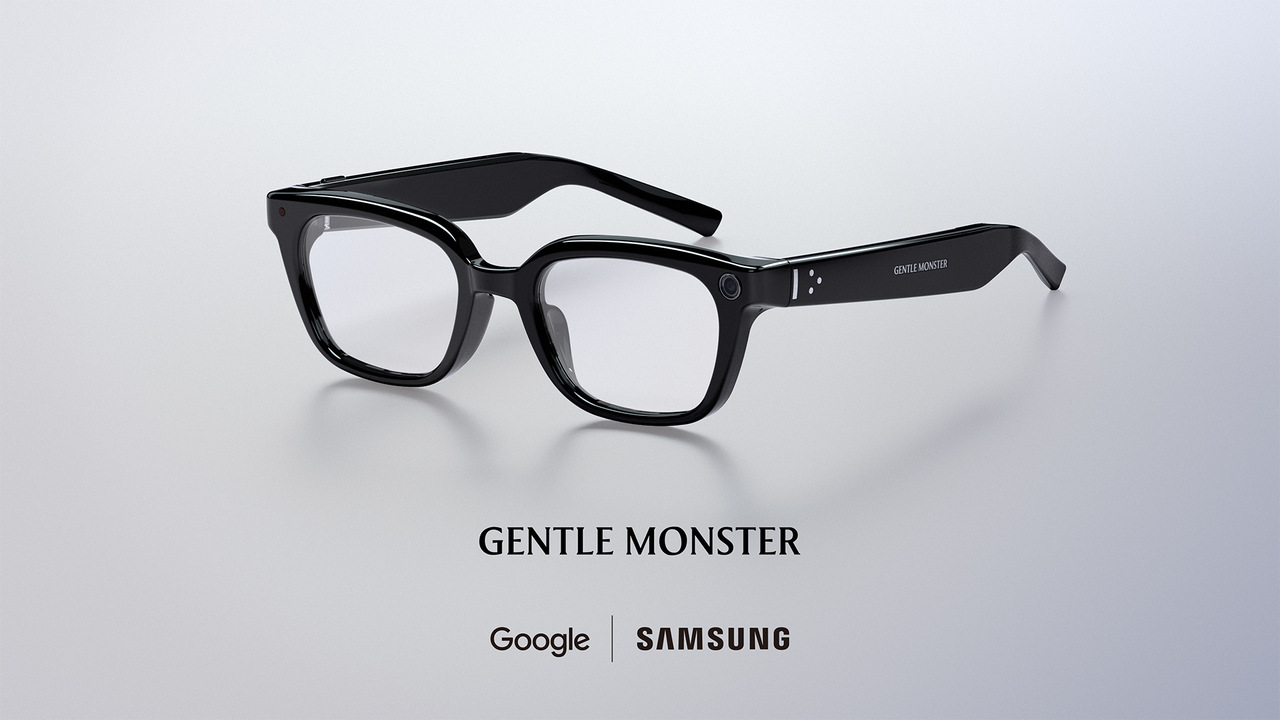
Samsung Electronics will launch its first artificial intelligence glasses in November, entering a still-nascent wearable AI market where Meta has built an overwhelming early lead with camera-equipped, display-less smart glasses.
Samsung first showed the Android XR-based device with Google at Google I/O in May, then revealed more of its design and features at Galaxy Unpacked in London in July. A Samsung official has since confirmed the November launch to The Korea Herald. Pricing has yet to be announced.
Called Intelligent Eyewear, the glasses have no visual display. A built-in camera and microphones capture what the wearer sees and hears, while Google's Gemini processes that information through a connected Galaxy smartphone and only responds through the glasses' speakers.
Samsung is making weight a key part of its pitch. At its July Unpacked event, the company advertised Intelligent Eyewear as "lighter than most AI glasses." Local media have reported a target of up to 5 grams below Meta's 51-gram base Ray-Ban Meta model, although Samsung has not disclosed a final weight.
Samsung is entering a market that has so far formed largely around this kind of display-less design. Global AI-glasses shipments jumped 263 percent on-year in the first half of 2026, according to Counterpoint Research, with display-less models accounting for 96 percent of the total. Meta held 94 percent of that segment.
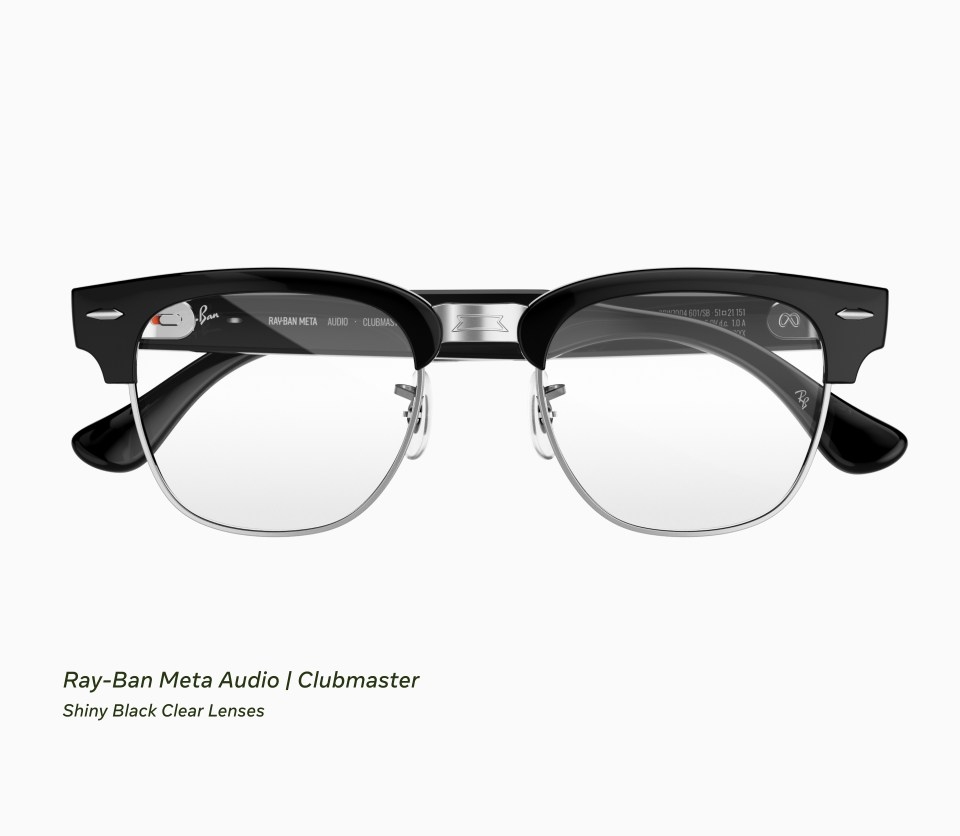
Meta has been widening its own lineup just as Samsung prepares to enter the market. At Meta Connect on Sept. 23, it upgraded its camera-equipped Ray-Ban Meta line and introduced Ray-Ban Meta Audio, its first camera-free AI glasses. Meta has pitched the new model around lighter weight and longer battery life, but it also gives consumers an option without the camera that has become increasingly controversial.
Privacy concerns around cameras on wearable devices are becoming harder for the industry to ignore. Meta's camera-equipped glasses have faced criticism over covert recording, with some critics dubbing them "pervert glasses" after cases of people being filmed without consent drew attention. Meta uses a visible recording light and disables the camera if the indicator is covered.
In Korea, the privacy debate has already reached Samsung before launch. The Personal Information Protection Commission reportedly met the company in late July to discuss how nearby people should be alerted when cameras or microphones are active. The Ministry of Science and ICT began drafting safer-use guidelines in September amid concerns over covert filming and exam cheating.
Samsung has said its glasses will use LEDs inside and outside the frame to indicate recording and disable the camera if the external indicator is obscured.
mjh@heraldcorp.com