Fuller factories and firmer pricing lift turnaround hopes, but repeat orders will test whether gains can last
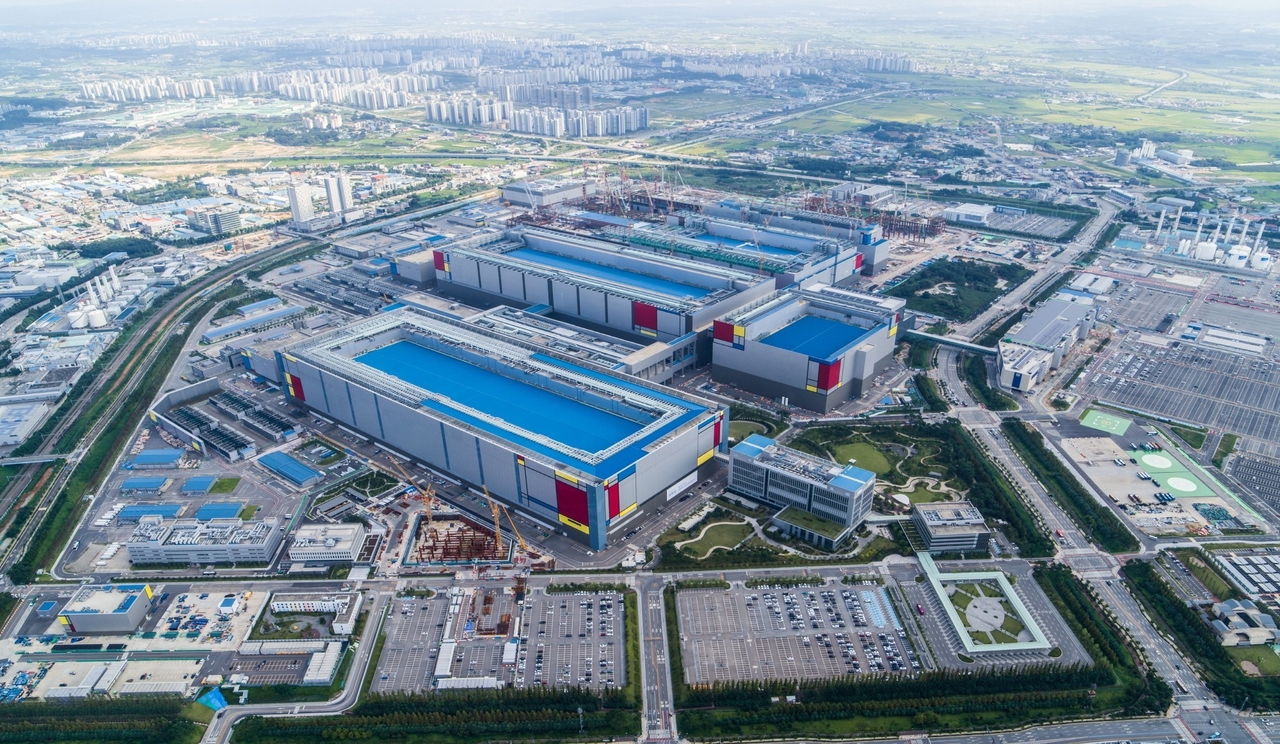
Samsung Electronics has spent years trying to fix one of the biggest weaknesses in its semiconductor empire. It is one of the world's largest memory-chip makers, yet its foundry business, which manufactures chips designed by other companies, has struggled to make money.
Industry estimates say the business has been operating at a loss since 2022. Its market position has continued to weaken even as its financial picture improves. Samsung's foundry revenue rose 1.8 percent from the previous quarter in the April-June period, according to TrendForce, but its global market share slipped to 5.9 percent as rivals grew faster. TSMC expanded its share to 72.5 percent.
Yet conditions that kept Samsung in the red are beginning to change. Reuters reported in August that Samsung had raised prices by as much as 15 percent on some new orders for its 4-, 5- and 8-nanometer processes, labels for successive generations of chipmaking technology. Its 4nm line in Pyeongtaek has also been running at full capacity.
"The important thing isn't the 15 percent itself," said Kim Rok-ho, senior analyst at Hana Securities. "It's that Samsung can ask customers to pay more and still get the order."
Fuller factories, stronger pricing
Meanwhile, AI demand has packed TSMC's advanced factories with high-performance chips. TrendForce said its 3nm and 5/4nm capacity was fully booked in the second quarter, while TSMC is also reportedly preparing another round of price increases for 2027.
"The starting point is not that Samsung suddenly gained market share," said Lee Jong-hwan, a semiconductor engineering professor at Sangmyung University. "Customers now have to ask not only which factory is best, but who else can actually make the chip when they need it."
That matters because chip factories are expensive whether they are full or not. Depreciation, labor and maintenance costs continue even when production lines are underused. One of Samsung's long-standing problems was investing heavily in advanced capacity without enough customer orders to fill it.
Now, HBM base dies, AI and high-performance computing chips and overseas customer orders are taking up more of that capacity. Samsung has said its "foundry earnings improved significantly in the second quarter" excluding incentive-related provisions, helped by US customers and demand for HBM base dies, the logic chips beneath stacks of high-bandwidth memory used in AI systems.
"The biggest change is that Samsung is finally filling more of the capacity it already paid for," Kim said. "That lowers the cost burden on each wafer and makes higher prices much more meaningful for profits."
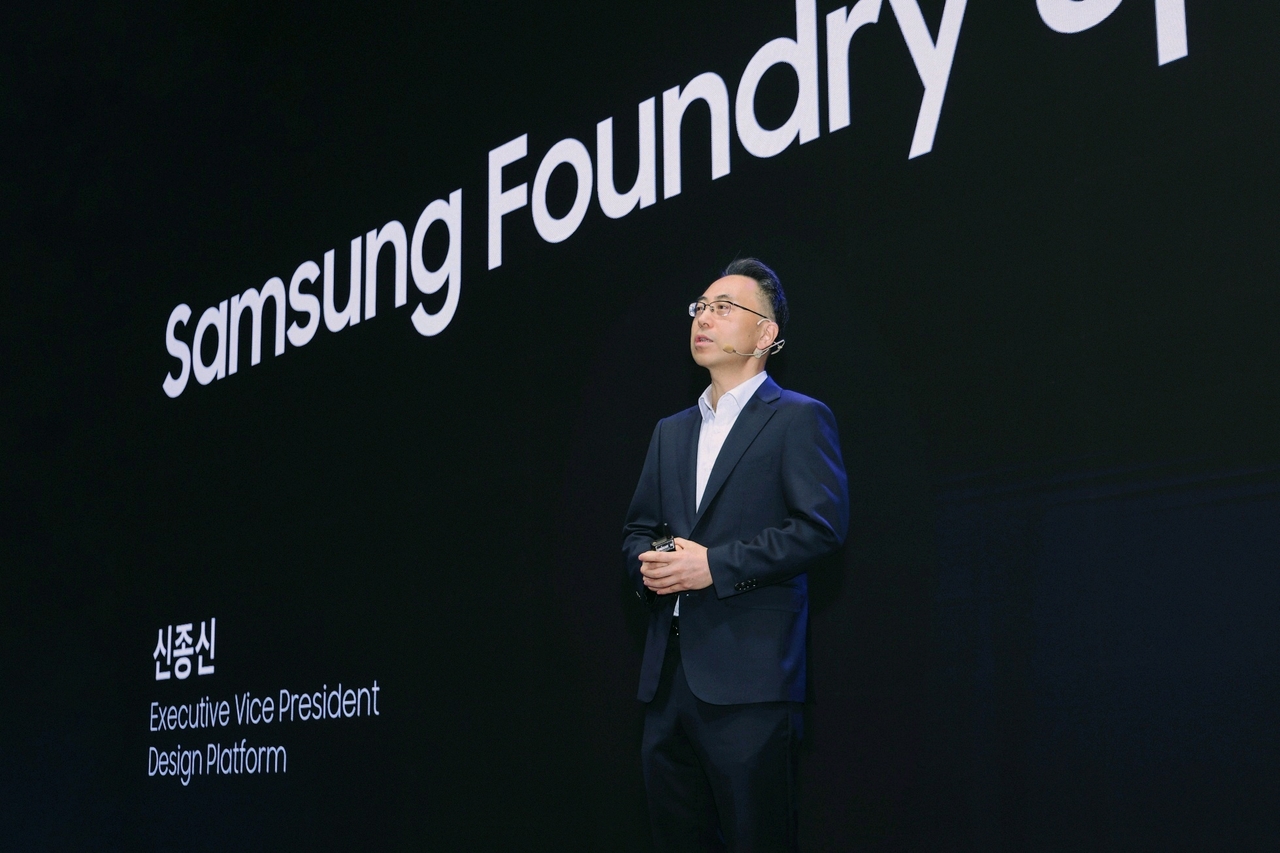
The product mix is also shifting. At an investor relations event in Seoul this week, Samsung said high-performance computing, which includes powerful chips used in artificial intelligence and data centers, now makes up 28 percent of foundry revenue, up from 5 percent in 2017.
"By 2029, we expect HPC to account for well over half of revenue," said Noh Mi-jung, a Samsung foundry executive.
Still, not all full factories tell the same story. Orders from Samsung's own memory business help cover costs, but they do not carry the same competitive meaning as an outside chip designer choosing Samsung over TSMC.
Nor does the reported 15 percent price increase apply across Samsung's business. Older contracts can still be running at lower prices. "The benefit comes gradually as older, cheaper contracts are replaced by better-priced orders," Kim said.
Together, fuller factories, firmer pricing and a shift toward higher-value chips have brought Samsung closer to breaking even than it has been in years, Kim said.
From first orders to repeat business
However, Samsung is also entering another costly phase. Its 2nm process is ramping up while its Taylor, Texas, factory comes online, bringing new engineering and operating costs before customer volumes kick in. That means some of the gains from today's fuller 4nm lines could be absorbed by the next round of investment.
There are signs that customers are coming. Samsung said in July that it had secured 2nm projects from major cloud and AI computing customers, while its long-term Tesla contract gives Taylor a major outside customer. Local media reported this month that trial production for Tesla AI chips had begun at the plant.
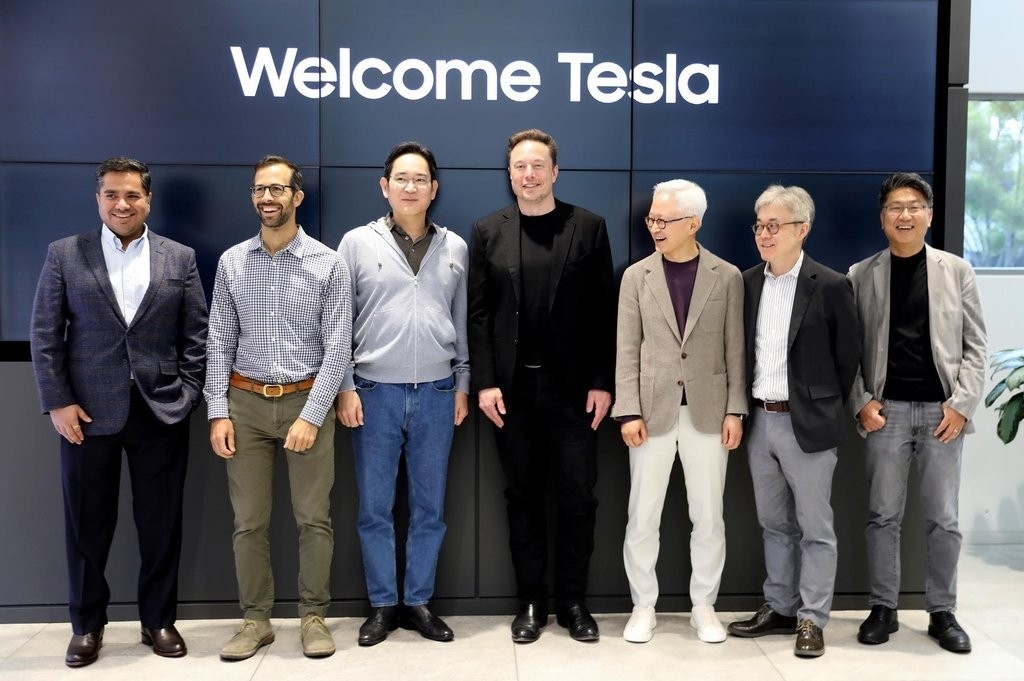
But winning a project is not the same as securing large-scale production. Qualcomm's two new flagship Snapdragon chips are both being made on TSMC's 2nm process, showing that Samsung has yet to win back some of the industry's most important advanced chips.
Customers also cannot simply move the same chip from TSMC to Samsung when capacity gets tight. “A chip has to be designed and tested for a specific foundry process,” professor Lee said. “So when a customer actually starts a project with Samsung, it means it has already committed time and engineering resources.”
The longer-term opportunity is that the shortage may change customers’ sourcing habits. Companies that once relied almost entirely on TSMC are now looking at a second option, giving Samsung a rare chance to turn a temporary capacity crunch into a lasting business.
“The first order can come for many reasons,” Kim said. “The real test is whether the customer comes back with its next chip. That would show Samsung delivered well enough to earn the next generation.”
mjh@heraldcorp.com