Starting in October, national health insurance to cover Retevmo, Vyloy, Padcev, Keytruda
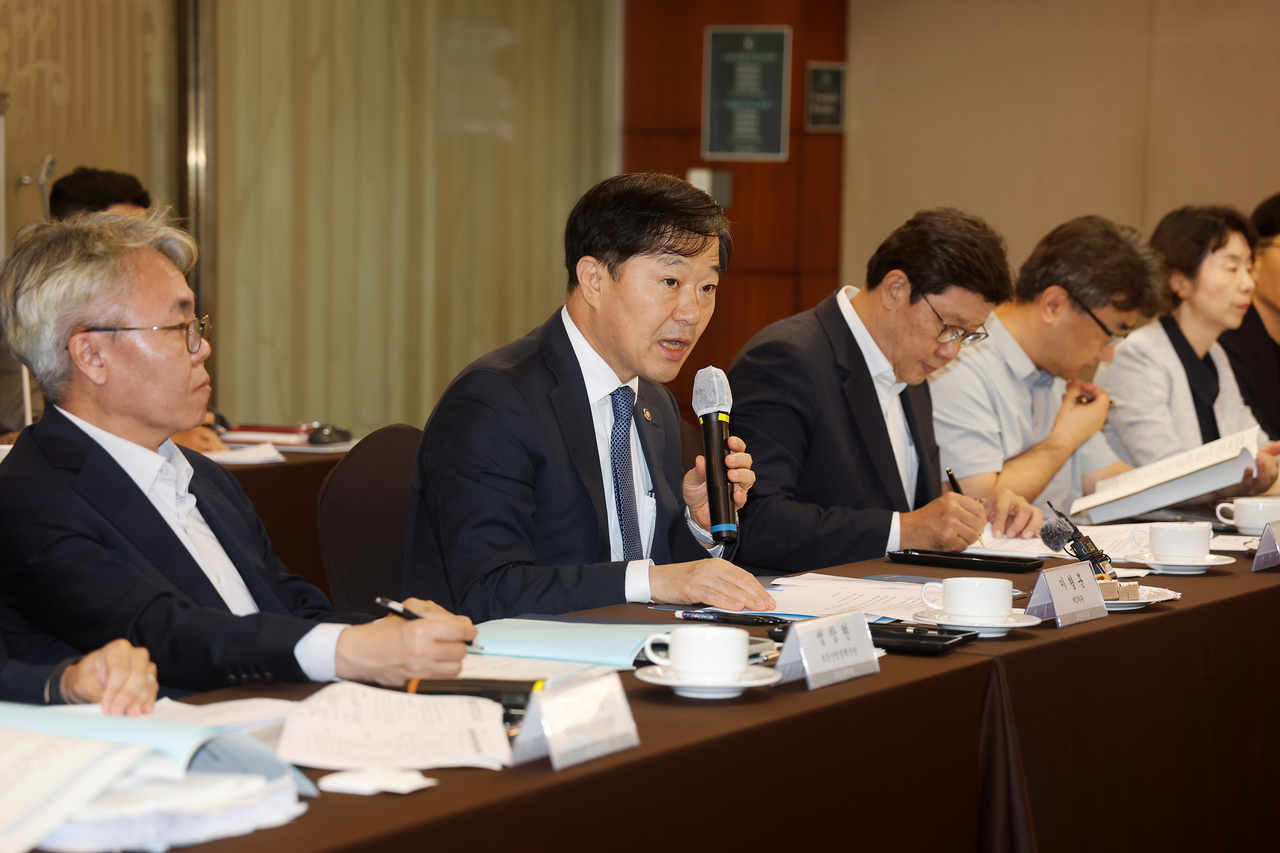
Patients with rare or neglected cancers in Korea will face lower drug costs and gain greater access to treatment from Friday, as national health insurance coverage expands, the Ministry of Health and Welfare said Wednesday.
The expansion covers Retevmo for rare cancers caused by genetic alterations, Vyloy for unresectable advanced or metastatic stomach cancer, and a first-line combination of Padcev and Keytruda, two cancer drugs from different pharmaceutical companies, for urothelial cancer. The decision was approved by the Health Insurance Policy Deliberative Committee.
Retevmo for rare lung cancer
Retevmo treats non-small cell lung cancer and medullary thyroid cancer caused by rare RET, or rearranged during transfection, gene alterations. RET fusion-positive non-small cell lung cancer accounts for only 1 to 2 percent of lung cancer patients, with fewer than 300 such patients estimated in Korea.
Retevmo is a targeted therapy that attacks specific cancer cells, reducing side effects and improving treatment effectiveness, the ministry said. As an oral capsule, it can also reduce hospital visits and long waits for injections.
Vyloy for advanced gastric cancer
Vyloy treats unresectable advanced or metastatic gastric cancer. While gastric cancer overall had a five-year relative survival rate of 78.6 percent in 2019-2023, patients with unresectable advanced or metastatic disease have a median survival of six to 10 months and a five-year relative survival rate of around 10 percent.
The ministry said Vyloy reduced the risk of developing treatment resistance by 41 percent and roughly doubled overall survival compared with existing treatments.
Padcev-Keytruda combination for urothelial cancer
Padcev and Keytruda will also receive coverage as a first-line combination therapy for urothelial cancer, which accounts for about 2.5 percent of all cancer cases. Padcev targets cancer cells, while Keytruda helps the immune system attack them.
Previously, Keytruda was covered only as a second-line treatment for urothelial cancer after the failure of first-line therapy. The expansion will cover its use with Padcev as a first-line treatment.
The ministry said this is effectively the first case of national health insurance covering a combination therapy involving patented new drugs from different pharmaceutical companies.
“We hope the expanded coverage will ease the burden on patients and families who delay or forfeit treatment because of high drug costs,” said Lee Hyung-hoon, second vice minister of health and welfare.
shwang9@heraldcorp.com