Widows could be pressured into extreme acts of chastity and keeping concubines was widespread among elite men
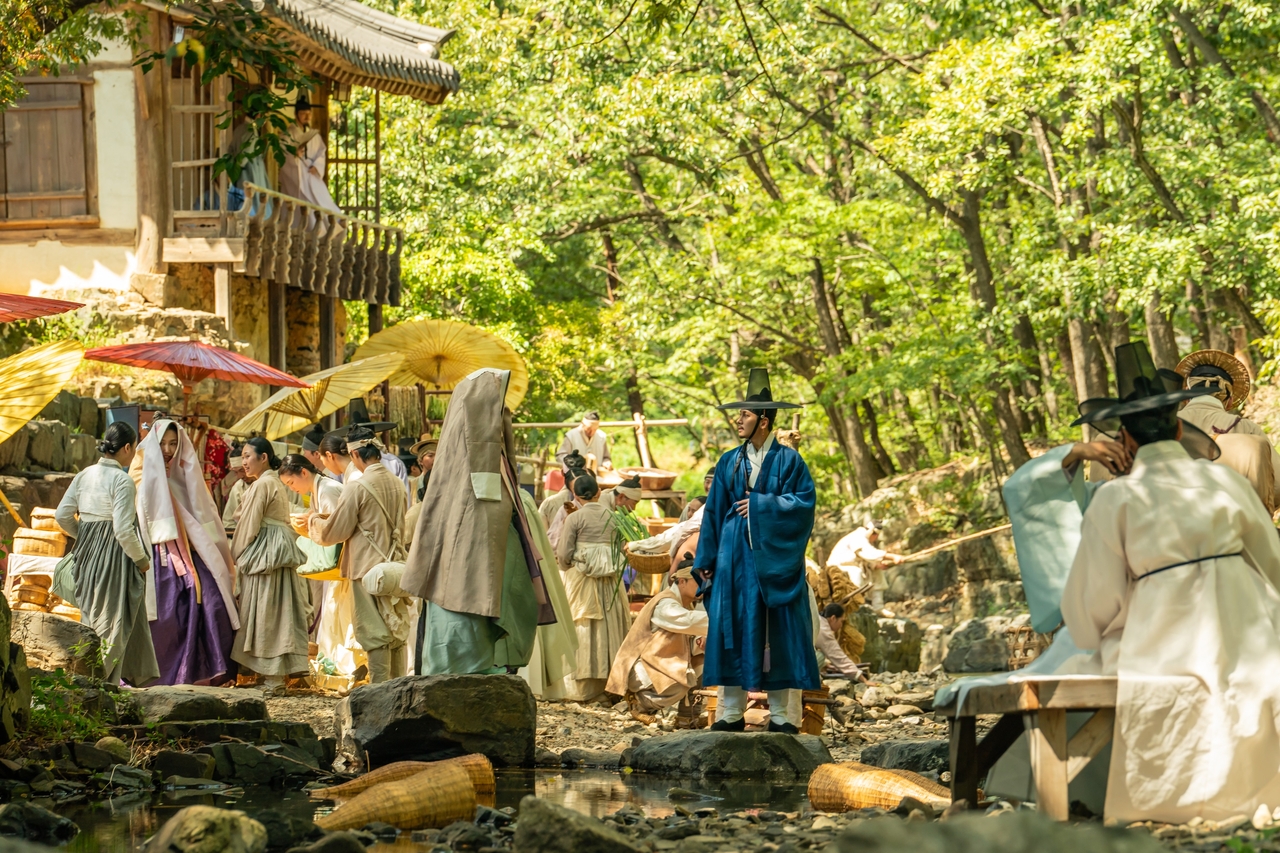
In Netflix Korea’s "The Scandal," early 19th-century Joseon’s neo-Confucian social norms function as more than a historical backdrop, they serve as the primary engine driving the plot.
Yet these strict historical codes — such as barring women from the gwageo (elite civil service exams) or pressuring widows into extreme acts of chastity — can feel alien to contemporary audiences, both globally and in South Korea.
Without grasping this cultural subtext, audiences risk missing the true gravity of the series' stakes. Below is a field guide to the Joseon-era customs and societal pressures that power the story's core conflicts and propel its characters forward.
Suicide after a husband’s death
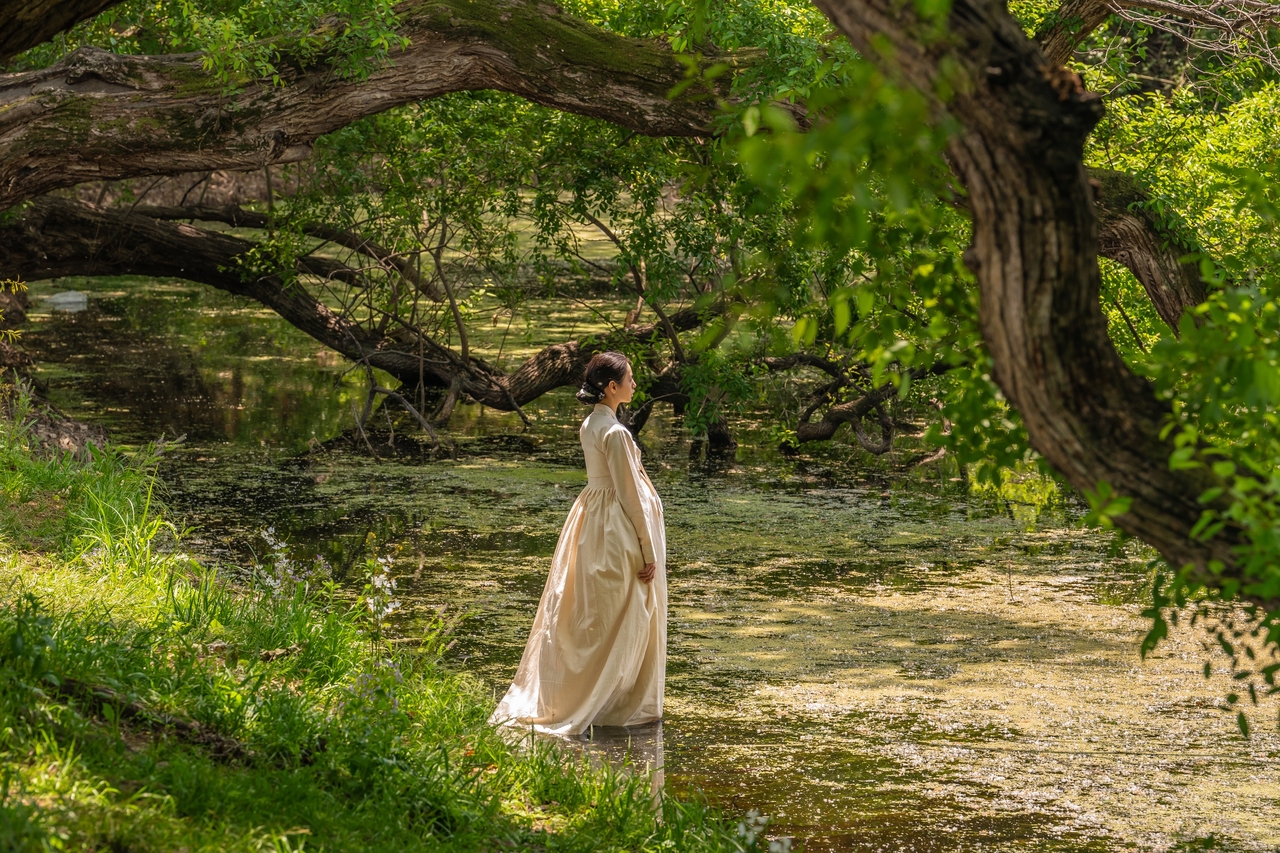
A core narrative engine in “The Scandal” involves the mounting pressure on Hui-yeon (Lim Jin-a, better known as Nana) to commit suicide following her husband’s passing. Whether she will ultimately die by suicide becomes a key source of tension, placing Cho Won (Ji Chang-wook) in a dilemma: leave Hui-yeon to her fate or intervene to save her.
Despite its dramatic intensity, the narrative closely reflects the real-world historical expectations placed on Joseon-era widows.
In the era's early years, a widow earned praise chiefly through "sujeol," the practice of remaining chaste while caring for her late husband's family. As Joseon entered its later period, expectations of female chastity grew increasingly rigid, with taking one’s own life out of marital fidelity becoming regarded as a virtue.
Women who died by suicide in devotion to their deceased husbands could bring substantial recognition and rewards to their families or communities, including tax and labor exemptions, official honors and commemorative monuments. Such state-sanctioned rewards further reinforced the social pressure placed on grieving widows, with some facing pressure from their families to take their own lives.
Against this bleak backdrop, "bossam" emerged as a clandestine means of escape. The practice involved abducting a woman, often a widow, by wrapping her in cloth and carrying her away at night. For women seeking to remarry, it could offer a way to circumvent the intense social pressure to remain faithful to their deceased husbands.
The concubine system
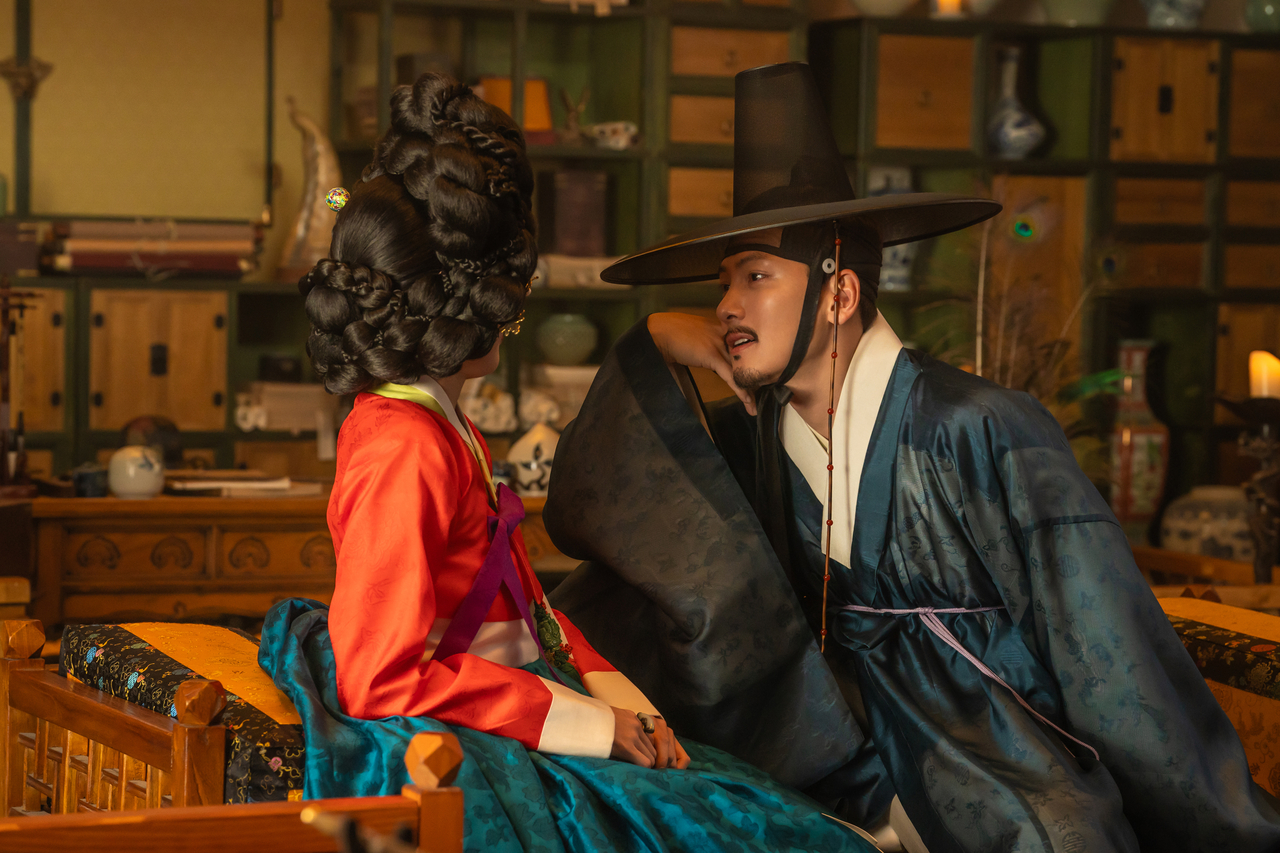
Concubinage serves as another crucial narrative driver in “The Scandal.” The story is set in motion when Cho Yoon (Son Ye-jin) places a wager with Cho Won (Ji Chang-wook), challenging him to impregnate a new concubine brought into her husband’s household.
The premise is rooted in one of the most widespread social practices of the Joseon era.
By the late Joseon period, concubinage was largely associated with the yangban, the hereditary elite class. Concubines were broadly divided by social status into "yangcheop," women of relatively higher social standing, and "cheoncheop," women of lower status, including gisaeng entertainers and female slaves.
Their children also faced different levels of social discrimination. Children of higher-status concubines, known as seoja or seonyeo, faced restrictions compared with legitimate children of the principal wife, particularly in civil service and official careers. Children of lower-status concubines, known as eolja or eolnyeo, faced even greater disadvantages.
The state-sanctioned practice was officially dismantled following liberation in 1948, when the Constitution of the Republic of Korea was enacted, explicitly establishing monogamy.
Women and the gwageo
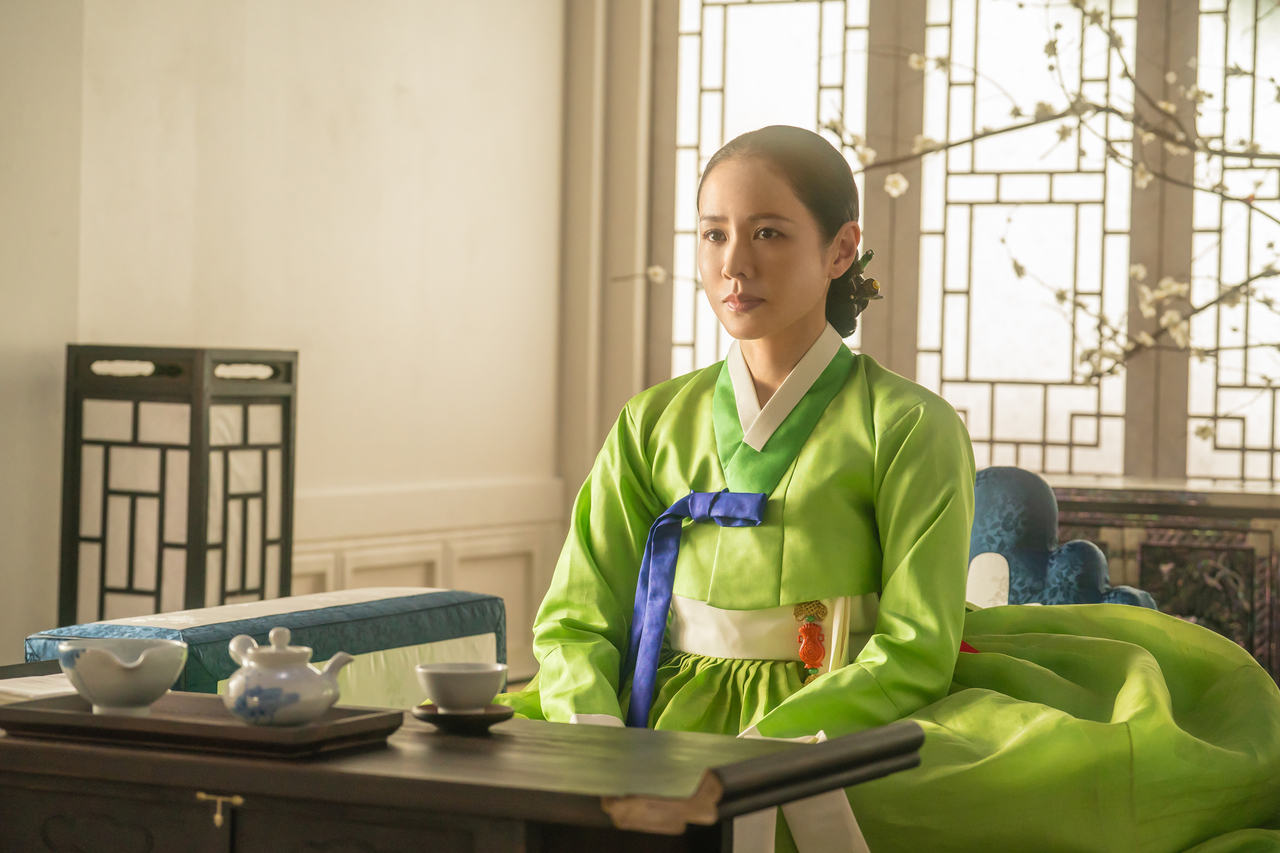
Much of the series’ early episodes focus on Cho Yoon’s origins and how, despite her academic gifts, she is constrained by a society that offers women few avenues to translate their abilities into status or power.
At the heart of this limitation is her exclusion from the gwageo, the civil service examination that served as a principal pathway to government office and social advancement in Joseon. Women were barred from taking the examinations in a society shaped by neo-Confucian ideals of male authority and rigidly defined gender roles, including the concept of "naeoe," which prescribed men’s responsibility for affairs outside the home and women’s responsibility for managing the household.
Yet, that did not mean women were excluded from learning altogether. Some, particularly daughters of yangban families, received private education in Hangeul and, in some cases, Chinese. But their education was generally intended to prepare them for roles within the household and to help them educate their children, rather than to pursue public careers.
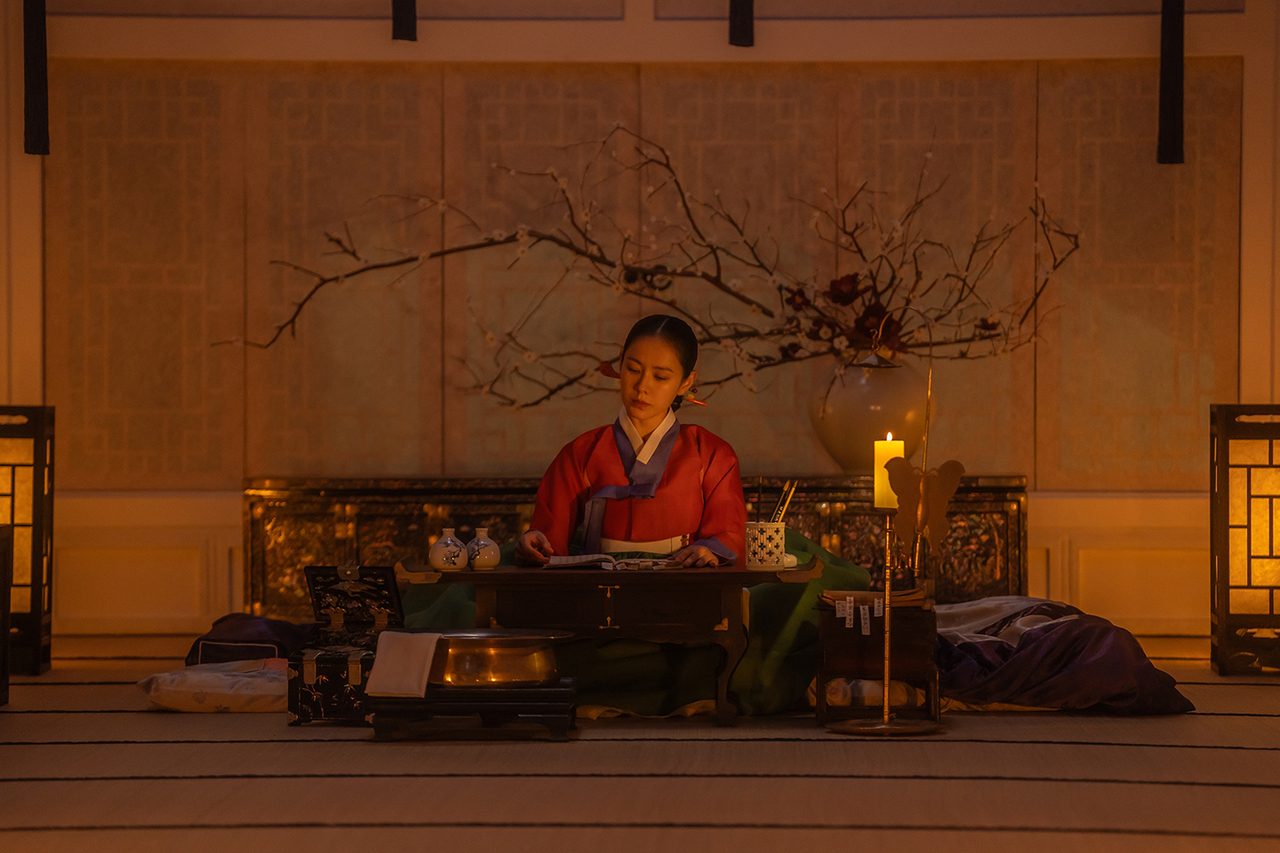
As such, the historical context in “The Scandal” serves as more than a backdrop; it is a major narrative force that drives the story forward and shapes why its characters act as they do.
Director Jung Ji-woo said he deliberately set the series in the early 19th century, a period of transition when Joseon’s neo-Confucian order was being reinforced even as its rigid social hierarchy began to crack.
“The early 1800s was clearly a period when modernity was beginning to emerge,” Jung said.
“The status system was beginning to shake. People could own property regardless of their social status, and Hwaseong was built in a short period through paid labor rather than corvee labor. As modernity dawned, everything was starting to move ... I found (the social norms in this era) both grotesque and interesting.”
yoonseo.3348@heraldcorp.com