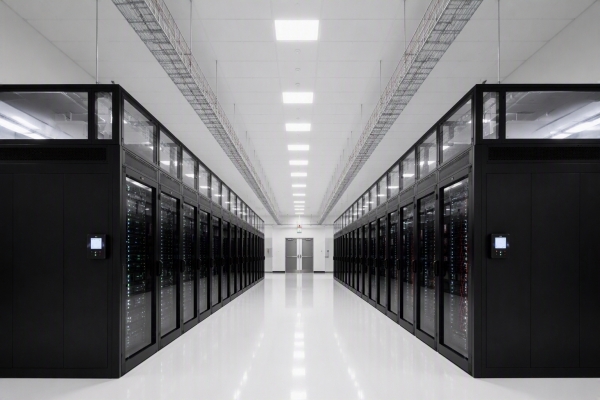
Seoul could soon join a growing number of major cities seeking tighter controls on new data centers as concerns mount over their heavy use of electricity and water.
The heads of all 25 Seoul districts unanimously agreed Wednesday to ask the Seoul Metropolitan Government for tougher restrictions on new data center construction, Yeongdeungpo-gu District Office said Thursday.
The proposal calls for district-level architectural reviews and restrictions on data centers in residential areas.
District authorities currently have little discretion to reject projects that comply with existing rules. Requiring architectural reviews could give them greater say by allowing officials to assess a project’s impact on surrounding neighborhoods.
The district heads also plan to seek revisions to the Building Act that would allow local governments to reject permits for data centers planned in semi-residential, semi-industrial and commercial areas.
Growing tensions
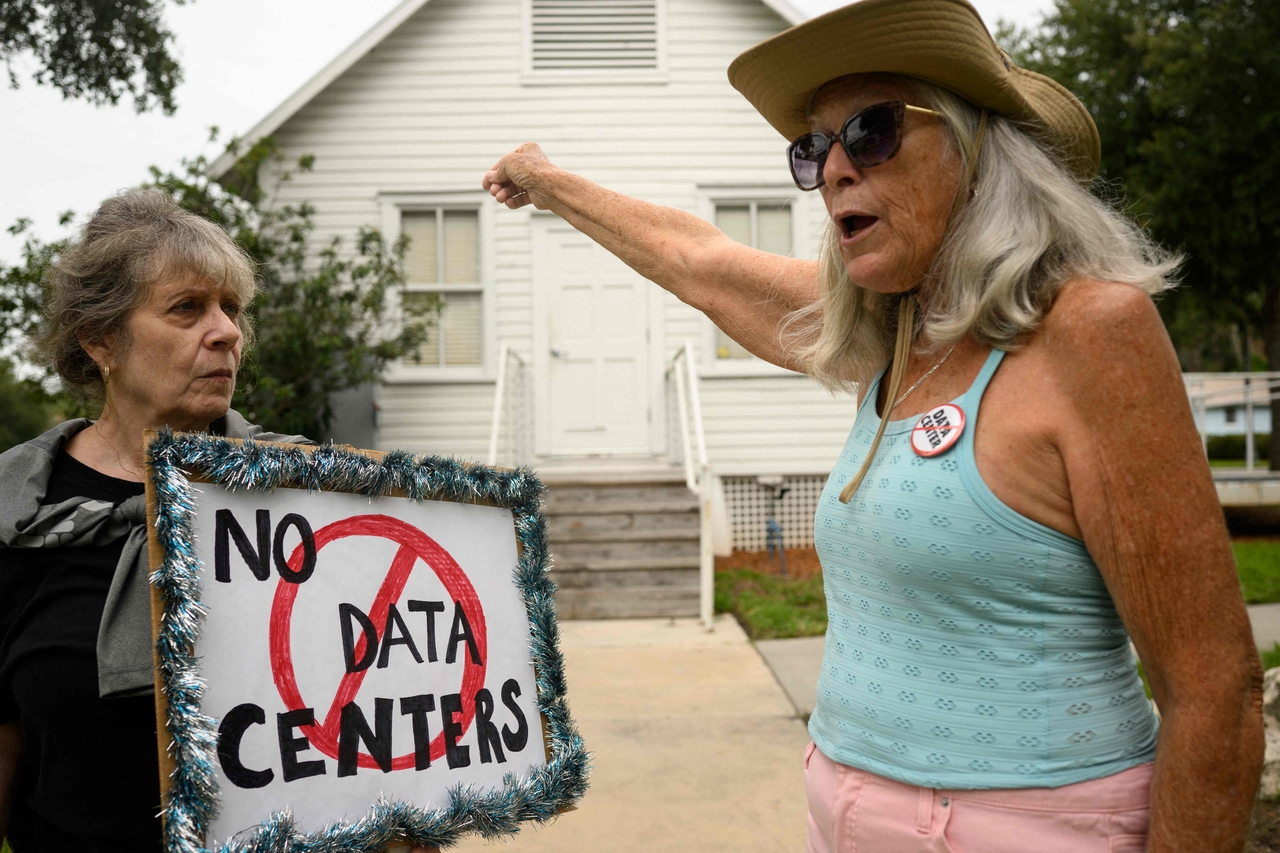
The push reflects a growing resistance to data centers across Seoul, Incheon and Gyeonggi Province. About 60 percent of South Korea’s data centers were located in the capital region as of 2024, even though the area accounts for just 11 percent of the country’s land.
Operators have favored the capital region because of its concentration of skilled workers, corporate customers and technology companies.
But resident concerns over electricity and water use, along with possible effects on property values, have complicated new projects. Seventeen of 33 data center projects pursued in the region in 2024 and 2025 were delayed or scrapped, according to local media reports.
Because data centers are classified as telecommunications facilities, local governments have limited grounds to restrict them in about 88 percent of Seoul, according to the city govenrment.
In some districts, including Geumcheon-gu, disputes between residents and developers have escalated into criminal complaints and countercomplaints.
"Residents are increasingly concerned about data centers being built in densely populated residential areas," said Cho Yu-jin, mayor of Yeongdeungpo-gu.
"Given the climate crisis and issues surrounding power and water supplies, it would be desirable to urgently revise relevant laws and ordinances so that district governments can decide whether to grant building permits."
Concerns over possible regional backlash
The debate is widening beyond the capital region as the central government seeks to accelerate investment in AI infrastructure and local governments look to data centers as a way to attract related industries.
Pledges to use data centers to attract AI-related industries spread across Korea ahead of the June 3 local elections.
The central government is backing a major expansion of data center capacity, including projects totaling 8.4 gigawatts scheduled to come online from 2029 with companies including SK, GS and Naver. Separately, SK plans to expand its nationwide data center capacity by 10 GW by 2035.
Resident opposition has so far been less pronounced outside the Greater Seoul area, but lawmakers are increasingly questioning whether local power and water systems can absorb the planned expansion.
Rep. Na Kyung-won of the People Power Party pointed to a lack of estimates for the amount of water the data centers would require.
"The cost of supplying water to the mega chip cluster (planned in Jeonnam-Gwangju Special Metropolitan City) could ultimately be paid with drinking water for the public and water vital to farmers," Na said Tuesday during a plenary meeting of the National Assembly's Climate, Energy, Environment and Labor Committee in central Seoul.
Lawmakers from the ruling party also raised concerns over the projects' water demand.
"Overseas, opposition to data center construction has already emerged over concerns about drinking water," said Rep. Kim Tae-seon of the Democratic Party of Korea.
"In Ulsan, for example, a 1,000-megawatt data center would require about 26,000 tons of water per day, equivalent to one-tenth of the amount of water drawn from Ulsan's water sources."
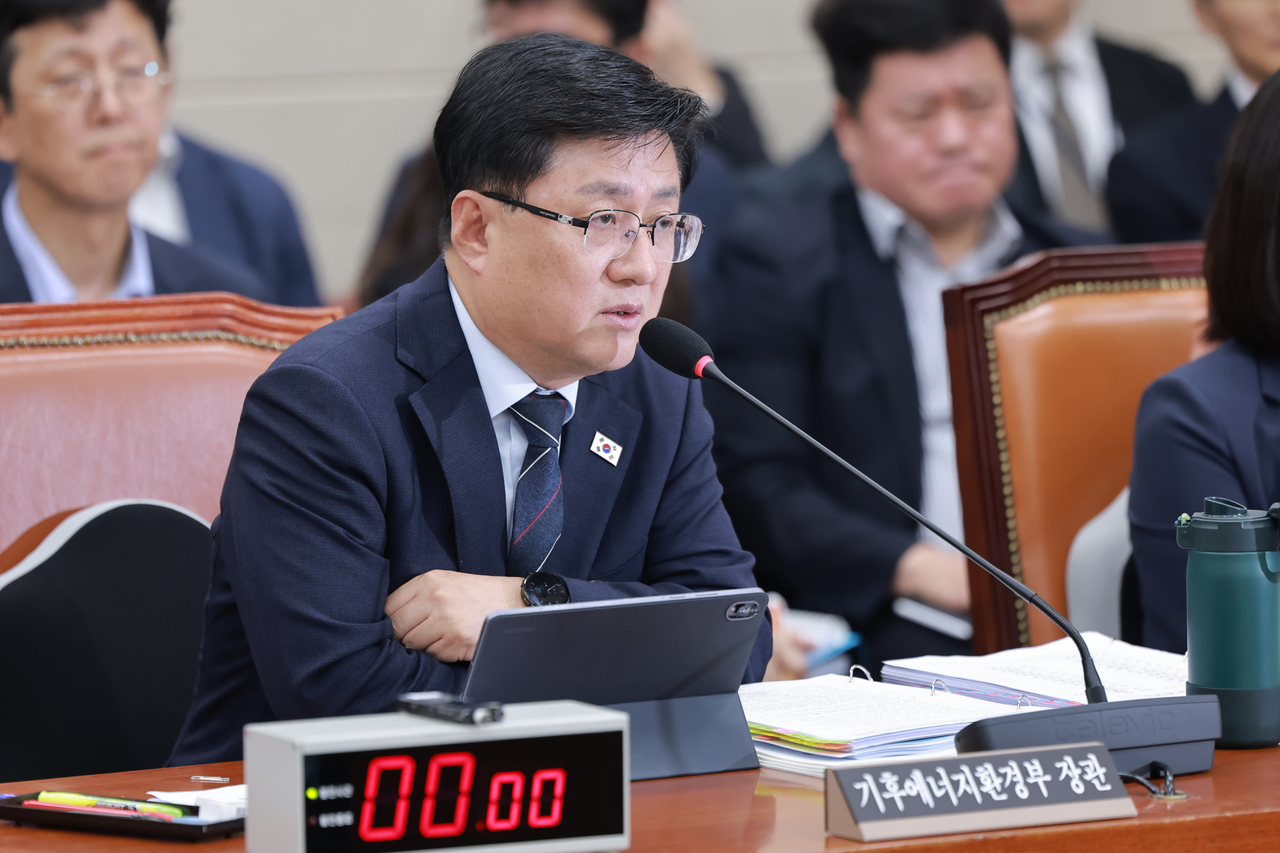
Kim Sung-whan, minister of climate, energy and environment, pledged to compile and report estimates of data centers’ water demand as soon as possible, even if only provisionally.
Kim said, however, that the burden could vary sharply by facility. He cited a 40-megawatt data center in Haenam, Jeonnam-Gwangju Special Metropolitan City, that uses about 2,400 tons of water a month, noting that concerns could be less severe than initially feared.
forestjs@heraldcorp.com