- RESEARCH BRIEFINGS
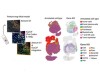
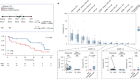
A subset of pancreatic cancer cells express the genes SERPINE1 or SERPINB2, which form a molecular mesh around them. This sticky matrix helps to retain immunosuppressive cells and exclude the immune cells that kill cancer cells. Disrupting this process in mice improves immune control of pancreatic tumours and sensitizes them to immunotherapy.
This is a summary of: Falcomatà, C. et al. A serpin–myeloid axis in pancreatic cancer heterogeneity and immune evasion. Nature https://doi.org/10.1038/s41586-026-11002-8 (2026).
doi: https://doi.org/10.1038/d41586-026-02703-1
‘Expert opinion’ and the figure are published under a CC BY 4.0 licence.
References
Arnold, F., Del Vecchio, A., Hussain, Z. & Sherman, M. H. Nature Rev. Cancer 26, 285–304 (2026).
Article PubMed Google Scholar
Pei, G. et al. Nature 642, 212–221 (2025).
Article PubMed Google Scholar
Dhainaut, M. et al. Cell 185, 1223–1239 (2022).
Article PubMed Google Scholar
Campello, E., Ilich, A., Simioni, P. & Key, N. S. Br. J. Cancer 121, 359–371 (2019).
Article PubMed Google Scholar
Akassoglou, K. et al. Cell 187, 5871–5876 (2024).
Article PubMed Google Scholar
Download references
Related Articles
-
 Read the paper: A serpin–myeloid axis in pancreatic cancer heterogeneity and immune evasion
-
 Vaccine boosts T cells that target pancreatic tumours
-
 Pancreatic cancer relies on opposing signalling pathways to drive its cellular diversity
Subjects
Latest on:
- Cancer
- Immunology
-
Evolution and heterogeneity of lethal metastatic bladder cancer subtypes
Article
-
Identification of broadly tumour-reactive γδ TCRs from multiple myeloma
Article
-

The neurons that can put a brake on a nervous-system cancer
Research Highlight
-
Identification of broadly tumour-reactive γδ TCRs from multiple myeloma
Article
-

‘Stomach bugs’ send protective immune cells rushing from gut to brain
News
-

Nasal vaccines could stop pandemics before they begin
Outlook