Galaxy momentum, Apple expectations, rising OLED demand drive capacity expansion after 5-year pause
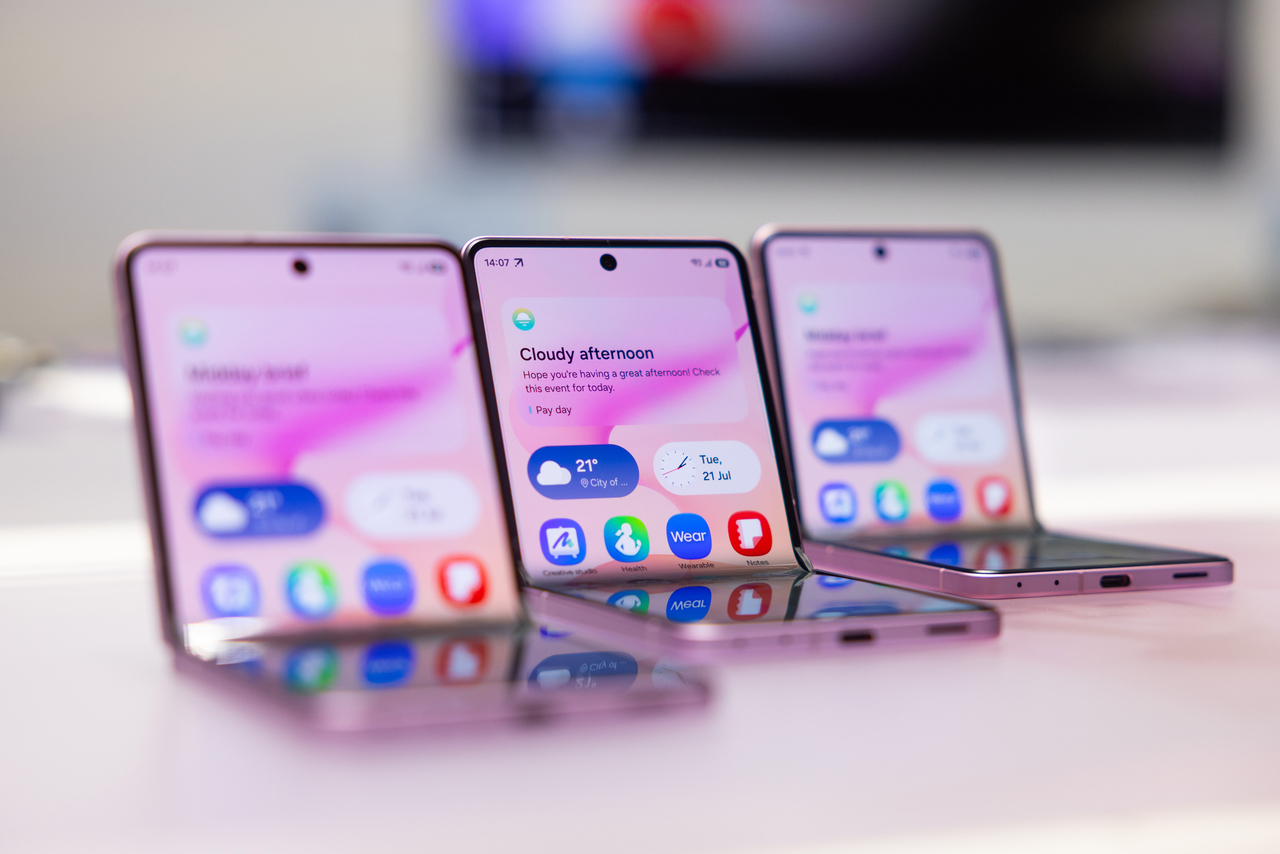
Samsung Display is restarting construction of its A7 OLED plant in Asan, South Chungcheong Province, five years after the project was suspended, as demand for foldable smartphones and larger organic light-emitting diode panels begins to justify fresh capacity.
The company’s investment review committee approved structural construction of A7 on Aug. 7, with contracts to be placed from this month. Full-scale construction is expected to begin next year, with completion targeted for early 2028.
Samsung Display CEO Yi Chung on Wednesday credited foldable displays for the project's resurrection.
“The most likely area (for the new facility's application) is foldable panels,” Yi told reporters at the International Meeting on Information Display 2026 in Busan. “The market is expected to grow, and new technologies and processes will be needed, so they will likely have the highest priority.”
He also pointed to laptops and other tech products, saying Samsung Display expects OLED display volumes in those markets to grow and will prepare capacity accordingly.
Why A7 is back
The biggest change since construction was halted in 2021 is the outlook for foldables.
Samsung Electronics’ Galaxy Z8 series, launched in July, recorded 1.44 million preorders in Korea, up 38.5 percent from 1.04 million for its predecessor. Samsung Display supplies the foldable OLED panels used in the Galaxy Z lineup.
Foldable phones are also more display-intensive than conventional smartphones, typically with both an outer screen and a larger internal folding panel. That means OLED demand could grow faster than handset shipments alone.
Expectations are rising further ahead of Apple’s anticipated entry into foldable smartphones. Samsung Display is widely expected to be a key supplier for Apple’s first foldable iPhone, potentially giving the company another major source of demand.
The combination of stronger Galaxy foldable sales and a new large customer entering the market has made securing production space more urgent.
Why existing lines are not enough
Samsung Display currently produces small and midsized OLED panels across its A2, A3 and A4 lines in Asan, including displays for Samsung Electronics’ Galaxy smartphones and Apple’s iPhones, as well as foldable panels. Its A5 line produces large QD-OLED panels for TVs and monitors, while the newer A6 line handles 8.6-generation RGB OLED panels for laptops and other devices.
But years of equipment upgrades and process investments have left little room for further expansion at the core A2, A3 and A4 facilities.
A7 would give Samsung Display fresh production space to prepare for longer-term demand, while leaving it flexibility to decide later how much capacity to allocate to foldables, OLED and other emerging applications.
Samsung’s bigger display bet
OLED is also expanding beyond smartphones.
Apple adopted OLED displays for the iPad Pro in 2024, while PC makers including Dell, HP and Lenovo have been broadening their OLED laptop offerings.
Samsung Display has already invested heavily in the transition to a larger market for OLED displays. Its 8.6-generation line in Asan entered mass production this year and is designed to produce larger panels for laptops and tablets more efficiently than smartphone-oriented lines.
Yi said OLED volumes for such devices are expected to grow, making the segment another possible destination for future A7 capacity.
The construction restart also forms part of Samsung’s broader investment plans for the Chungcheong region.
Samsung in July announced plans to invest around 140 trillion won ($101 billion) in the region, with Samsung Display set to spend 67 trillion won on display-related investment through 2040.
That spending will cover not only smartphone and OLED capacity, but also next-generation technologies such as microdisplays for extended-reality devices, the display-maker said.
Yi said that the proliferation of artificial intelligence has driven investment needs across a wider range of display technologies.
“As we enter the AI era, investment is continuing in various areas, including microdisplays,” he said, adding that substantial spending would be needed for both development and mass production of next-generation displays.
herim@heraldcorp.com